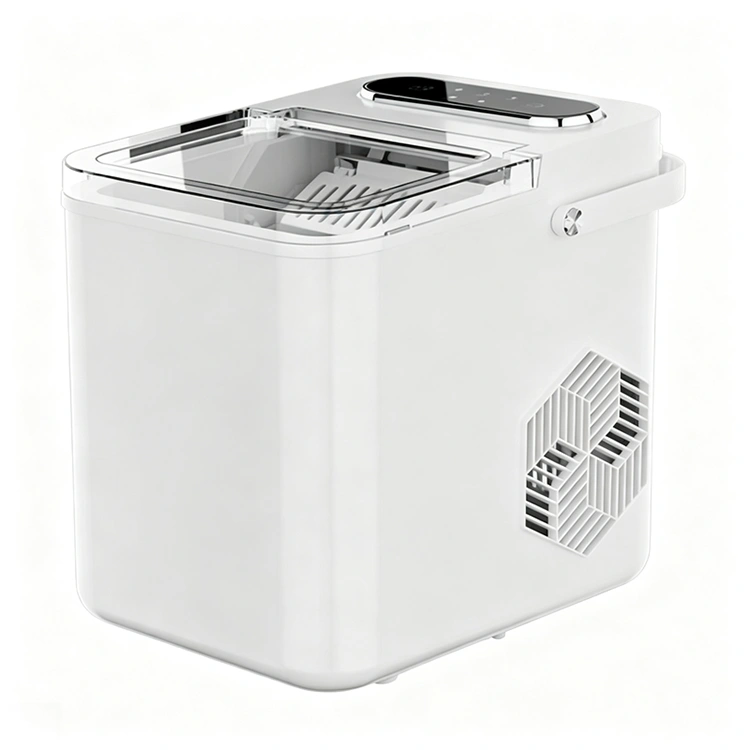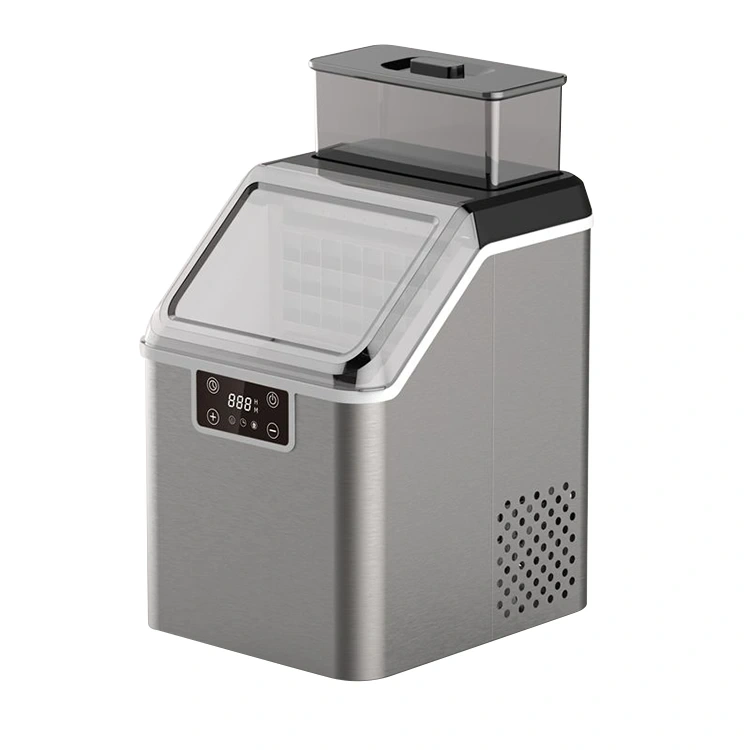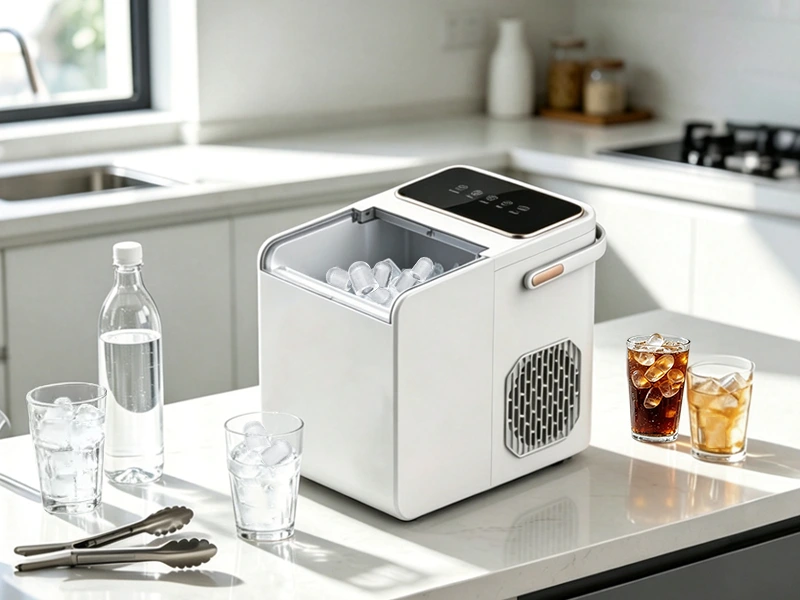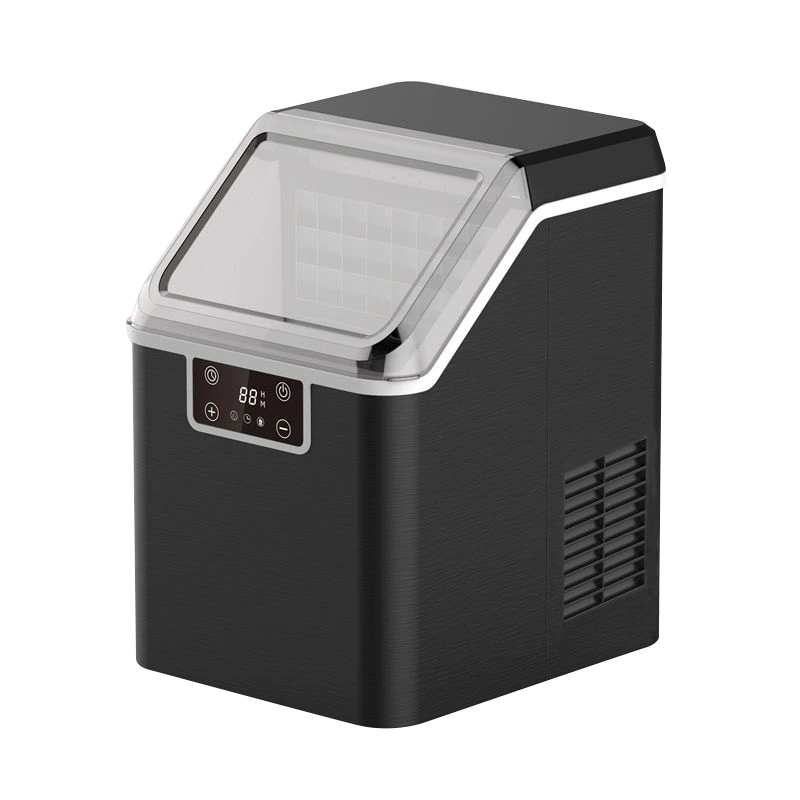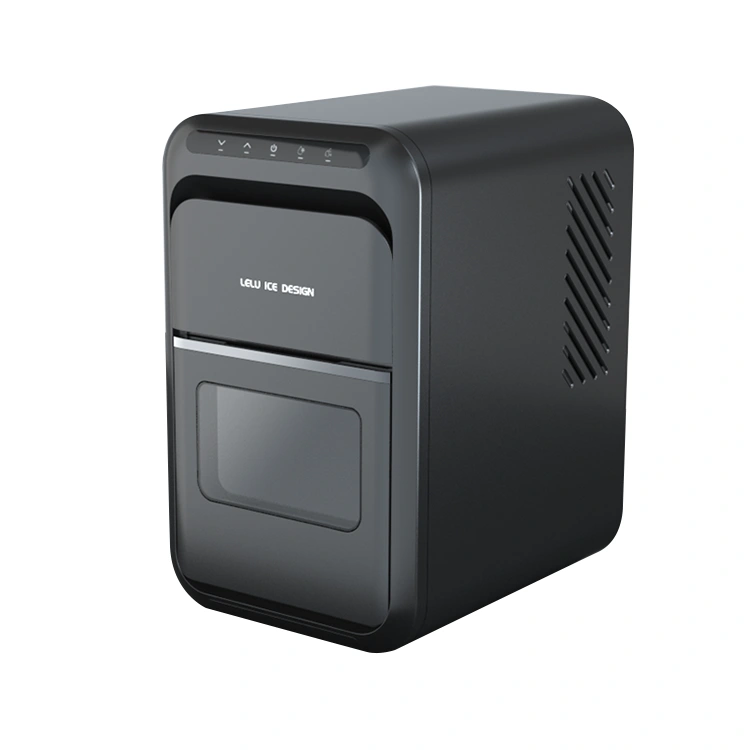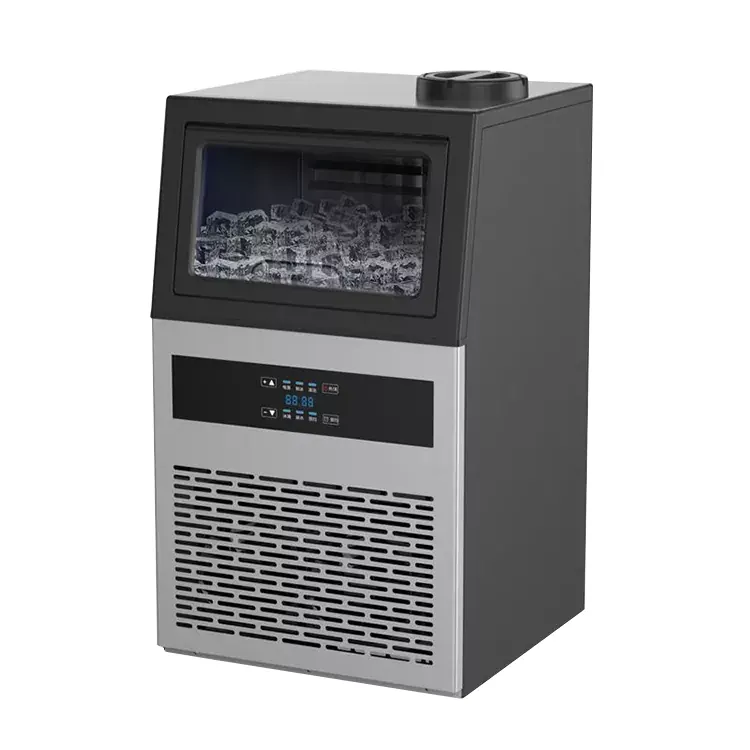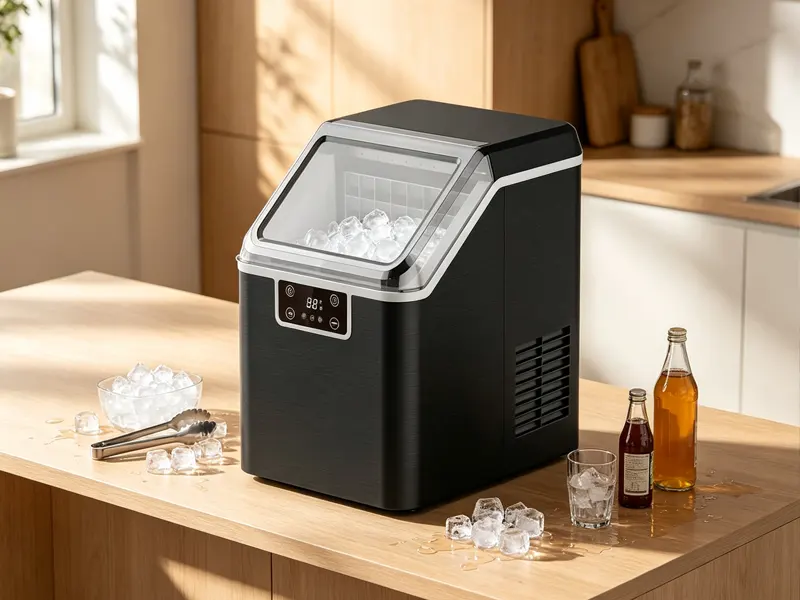
A home use cube ice maker offers a convenient way to prepare ice for water, juice, iced tea, family meals, and social gatherings. The best choice depends on production capacity, cube size, storage arrangements, operating noise, cleaning requirements, and available counter space. Understanding these factors helps households avoid common purchasing mistakes and enjoy a more dependable ice-making experience.
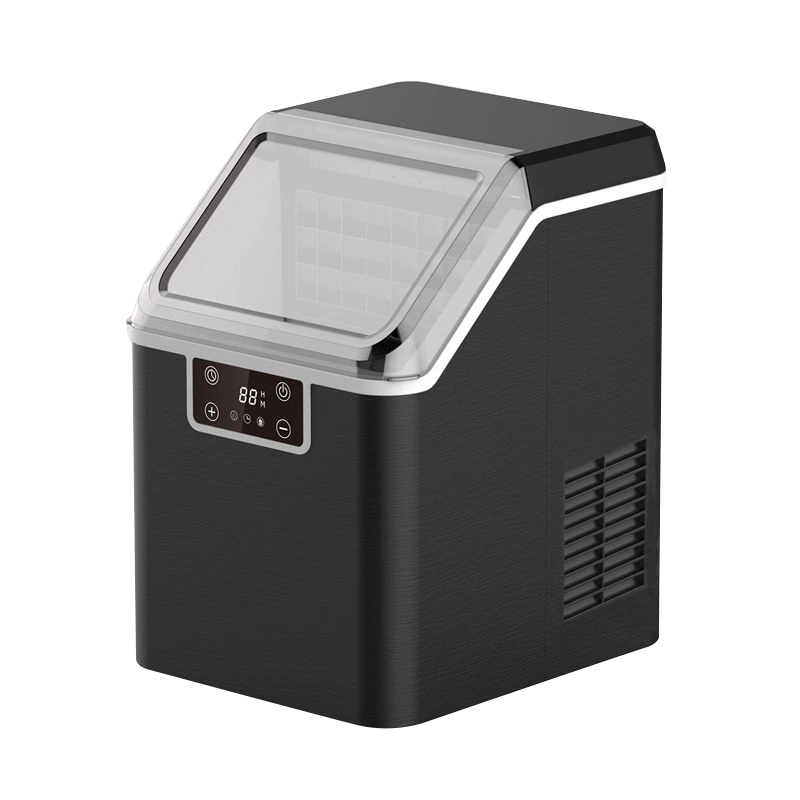
A home use cube ice maker is an appliance designed to produce ice for everyday residential needs. Depending on the model, it may sit on a kitchen countertop, fit beneath a counter, or be integrated into a refrigerator. Its primary purpose is to make ice more accessible without requiring households to prepare and refill conventional ice trays manually.
Cube ice is popular because it is versatile. It can be used in drinking water, soft drinks, iced tea, lemonade, smoothies, and many mixed beverages. Depending on the cube's dimensions and density, it can also help maintain a chilled drink without melting as quickly as smaller ice pieces.
However, not every appliance marketed as an ice maker produces traditional solid cubes. Some compact countertop models produce rounded, hollow bullet-shaped ice, while dedicated cube ice machines may offer more conventional geometric shapes. Checking the actual ice shape in the product specifications is therefore essential.
Traditional ice trays require advance planning. A household may run out of ice just before serving drinks, particularly during hot weather or when several guests arrive. An ice maker helps reduce this inconvenience by producing batches automatically after the machine has been filled and started.
Actual production time varies by appliance design, ambient temperature, water temperature, and selected ice size. A compact machine may begin producing its first batch relatively quickly, but the first batch is not the same as the total amount available over several hours.
Different drinks benefit from different amounts and shapes of ice. Larger, denser cubes may be useful when a drink needs to remain cold over a longer period, while smaller pieces can chill beverages more rapidly. Choosing a machine that produces the desired shape makes it easier to prepare drinks consistently at home.
A dedicated ice-making appliance can reduce dependence on freezer trays and help free up freezer space for food. It is particularly useful for households that prepare iced beverages frequently or want a separate beverage station for entertaining.
Many portable designs use a refillable water reservoir, reducing the need for permanent plumbing. This can simplify setup for renters or households that do not want to modify kitchen cabinetry. Before choosing a model, however, users should confirm its electrical requirements, ventilation needs, drainage method, and installation instructions.
Most automatic ice makers use a refrigeration system to remove heat from water until it freezes. The specific process differs by design, but a typical production cycle involves water delivery, freezing, ice release, and collection.
Many countertop models use sensors to help manage water levels and detect a full basket. These functions can reduce unnecessary operation, but they do not eliminate the need for supervision, cleaning, or regular water replacement.
The first batch after startup may differ in size, shape, or appearance while the appliance reaches its operating conditions. Room temperature, water temperature, and the machine's freezing cycle all affect the result. Follow the manufacturer's instructions about discarding initial batches after setup or cleaning.
Cloudy ice is not automatically a sign of contamination. Dissolved minerals and trapped air can affect clarity. Water quality, the freezing method, and machine design all influence the finished ice.
Daily production capacity indicates how much ice a machine may produce under specified conditions. It should not be confused with the quantity that fits in the storage basket at one time. A machine with a high daily output may still have a relatively small basket that requires frequent emptying.
Think about the beverages you prepare most often. If you prefer conventional cubes for home cocktails or longer-lasting chilling, confirm that the machine actually produces that form. If you mainly want convenient ice for casual drinks, a compact machine with a different ice shape may still meet your needs.
A refillable reservoir can make installation simple, while a direct water connection may suit certain permanent installations. Consider reservoir capacity, filling convenience, water-level indicators, drainage arrangements, and the effort required to replace water between uses.
Ice makers use mechanical components, including a compressor or fan in many designs. Operating sounds may be noticeable in small apartments, open-plan kitchens, or quiet workspaces. Check published noise information when available and leave the ventilation clearance specified in the manual.
Accessible water reservoirs, removable baskets, straightforward drain plugs, and clearly labeled controls can make routine maintenance easier. A self-cleaning function is useful where provided, but it does not necessarily replace manual cleaning or descaling.
| Feature | Why It Matters | What to Verify |
|---|---|---|
| Daily output | Helps estimate whether the machine can support household demand. | Rated output and the conditions used for testing. |
| Basket capacity | Determines how much finished ice can be collected at once. | Actual storage volume and removal convenience. |
| Ice shape | Affects beverage presentation, chilling behavior, and user preference. | Actual cube dimensions and shape. |
| Water reservoir | Influences refill frequency and day-to-day operation. | Capacity, filling method, and water-level alerts. |
| Cleaning functions | Can simplify maintenance and help control mineral buildup. | Cleaning instructions and accessible internal components. |
| Operating noise | Affects comfort in shared or quiet spaces. | Noise specifications and recommended placement. |
| Dimensions | Determines whether the appliance fits the intended location. | Width, depth, height, ventilation clearance, and lid access. |
The right ice-making solution depends on available space, household demand, installation preferences, and the type of ice you enjoy. No single design is ideal for every home.
| Ice-Making Option | Main Advantage | Potential Limitation | Suitable Situation |
|---|---|---|---|
| Manual ice trays | Simple, inexpensive, and compact. | Requires manual filling and advance freezing. | Occasional ice consumption. |
| Countertop ice maker | Convenient, portable, and often easy to set up. | Limited basket storage and possible countertop noise. | Everyday drinks and small households. |
| Refrigerator ice maker | Integrates ice production into an existing appliance. | Depends on refrigerator design and installation. | Households wanting an integrated kitchen solution. |
| Built-in or undercounter ice maker | Can provide a dedicated, higher-volume supply. | May require more space, plumbing, and installation work. | Large households, home bars, and frequent entertaining. |
| Commercial ice machine | Designed for demanding, high-volume applications. | May be oversized or unnecessarily complex for a typical home. | Business environments and specialized installations. |
For many households, a countertop appliance offers a practical balance between convenience and installation flexibility. Families with higher demand may prefer a larger integrated machine, while occasional users may find that conventional ice trays remain sufficient.
Buying a machine that is too small can lead to repeated waiting and refilling. Buying one that is unnecessarily large may consume valuable space and increase the initial investment. A simple assessment of your daily habits can help you select an appropriate size.
Start by estimating the number of people who regularly use ice, the average number of chilled drinks consumed per person, and how often you entertain guests. Remember that the amount of ice used per drink varies considerably.
Measure the available countertop or cabinet opening before ordering. Include extra space for ventilation, opening the lid, removing the basket, filling the reservoir, and draining the machine. A unit that fits its footprint but cannot be opened comfortably may become inconvenient in daily use.
Suppose a product specification advertises a particular quantity of ice per day. That figure does not mean the basket holds the same amount at once. Production takes place over repeated cycles, and the results depend on operating conditions. If you need a large amount of ice at a specific time, look at both rated daily production and basket capacity.
Water quality and regular maintenance have a direct effect on the ice-making experience. Mineral deposits can accumulate inside the water system, while stale water and neglected surfaces may affect the taste and smell of the ice. A simple maintenance routine helps keep the appliance in better working condition.
Switch off and unplug the appliance before cleaning. Remove all remaining ice, empty the basket, and drain the water according to the manufacturer's instructions. Never immerse the electrical base in water.
Wash removable baskets and other approved components using the method specified in the manual. Wipe interior surfaces with a soft cloth and a suitable cleaning solution. Avoid abrasive pads, harsh chemicals, or cleaning products that are not approved for the appliance.
Hard water can leave mineral deposits on internal surfaces and ice-forming components. Use a manufacturer-approved descaling product or the recommended cleaning procedure. Do not assume that vinegar or another household cleaner is suitable for every model.
After cleaning, drain the solution completely and rinse the system as instructed. If the manual requires one or more rinse cycles, complete them before making ice for consumption. Discard ice produced during cleaning and rinsing when directed.
Use clean, potable water and replace standing water regularly. Filtered water may improve taste and help reduce mineral accumulation, depending on its composition and the filtration system. Follow the product instructions regarding water type and suitability.
Cleaning frequency depends on usage, water hardness, and the machine's design. Follow the manufacturer's recommended intervals, and clean sooner if you notice unusual odors, visible deposits, or changes in ice quality.
Understanding common performance issues can help you identify simple causes before arranging professional service. Always disconnect power before carrying out cleaning or inspection tasks that require access to internal areas.
| Observed Problem | Possible Cause | Recommended Action |
|---|---|---|
| Ice production is slow. | High room temperature, warm water, restricted ventilation, or mineral buildup. | Check placement, water conditions, airflow, and cleaning requirements. |
| Ice has an unusual taste. | Stale water, odors, or a dirty reservoir. | Replace the water and clean the machine according to the manual. |
| Ice looks cloudy. | Air bubbles, dissolved minerals, or the machine's freezing method. | Review water quality and confirm whether the appearance is normal for the model. |
| The machine stops making ice. | Low water, a full-basket signal, poor airflow, or a technical fault. | Check indicators, water level, ventilation, and troubleshooting instructions. |
| Unusual noise or vibration. | An uneven surface, contact with nearby objects, or a mechanical issue. | Check stability and clearances. Stop using the unit if abnormal noise persists. |
| Water remains in the reservoir. | A blocked or incorrectly positioned drain, or a normal operating condition. | Check the drainage procedure and inspect the drain plug as instructed. |
If a machine repeatedly fails to produce ice, leaks, overheats, or shows signs of electrical damage, stop using it and contact the appropriate service provider. Do not bypass safety sensors or attempt repairs beyond the scope of the user manual.
The purchase price is only one part of the overall cost of owning a home use cube ice maker. Water consumption, electricity, cleaning supplies, replacement components, and maintenance effort also influence long-term value.
Energy use varies with appliance design, rated power, operating time, ambient temperature, and production demand. For an initial estimate, multiply the machine's power consumption in kilowatts by the hours it operates and by your electricity rate. Actual consumption should be based on measured energy use or reliable manufacturer data rather than rated power alone.
Machines with convenient reservoirs can simplify filling, but users still need to replace water and clean the internal system. Areas with hard water may require more frequent descaling. Consider these maintenance needs when comparing models with different designs.
A well-designed appliance should have clear operating instructions, appropriate electrical and product safety documentation, and accessible support channels. Warranty coverage, spare-part availability, and service arrangements can influence the overall ownership experience.
For household users, the most economical choice is not necessarily the machine with the lowest purchase price. A model that fits the family's needs, operates reliably, and is easy to maintain may provide better long-term value.
Use the following checklist to compare products more confidently and avoid overlooking practical details.
Taking a few minutes to check these details can prevent common frustrations, especially when choosing an appliance for a compact kitchen or a household with frequent ice consumption.
The first batch may take several minutes or longer, depending on the machine's design and operating conditions. Water temperature, room temperature, cube size, and the refrigeration system can all affect production time. Check the manufacturer's rated cycle time for a realistic expectation.
Many portable countertop models use a refillable reservoir and do not require a permanent water line. Larger built-in models may require plumbing. Confirm the installation requirements before purchasing.
Not necessarily. Many countertop ice makers use insulated baskets rather than freezer compartments, so collected ice gradually melts. Transfer unused ice to a freezer if you want to preserve it for later.
Use potable water that meets the machine's requirements. Filtered water may improve flavor or reduce mineral deposits, depending on the source water and filter. Always check whether the appliance specifies any restrictions on water type.
Some machines have different size settings, while others produce ice of a fixed shape and size. Warm operating conditions, low water levels, and mineral buildup may also affect results. Check the settings and maintenance instructions before assuming the appliance is defective.
Follow the manufacturer's recommended cleaning schedule. Frequency depends on water hardness, usage, and the machine's internal design. Clean promptly if you notice unusual odors, deposits, or changes in ice quality.
Yes, a suitable countertop model can be practical for apartment kitchens because many designs require only a suitable electrical outlet and manual water filling. Check its dimensions, ventilation clearance, drainage requirements, and operating noise before deciding where to place it.
Production capacity refers to the amount of ice a machine can make over a specified period, usually a day under stated conditions. Storage capacity refers to the amount that fits in the basket or compartment at one time. Both figures matter when planning for family use or gatherings.
It can be suitable for small gatherings if its output matches the number of guests and the amount of ice required. For larger events, prepare ice in advance and store extra batches in a freezer. Higher-demand situations may require a larger-capacity machine.
Evaluate product specifications, manufacturing capabilities, quality-control procedures, applicable certifications, warranty arrangements, and after-sales support. For customized or bulk orders, ask about available models, production capacity, customization options, packaging, lead times, and export documentation.
A reliable home use cube ice maker should combine practical capacity, convenient operation, easy maintenance, and a design suited to everyday household needs. By understanding these requirements, buyers can make more informed decisions and identify products that offer lasting value.
Ningbo YOUMAN Electrical Appliances Co., Ltd. is a company to contact when exploring home appliance product options and discussing potential sourcing requirements. Buyers interested in home ice-making appliances can communicate their target market, preferred product specifications, quantity requirements, and customization expectations to determine which solutions may be suitable.
Whether you are evaluating products for retail distribution, developing a private-label appliance range, or comparing potential manufacturing partners, clear specifications and open communication are essential to a successful sourcing process.
Looking for more information about home appliance sourcing or customized product options? Contact us to discuss your requirements, explore available solutions, and learn more about the next steps for your project.