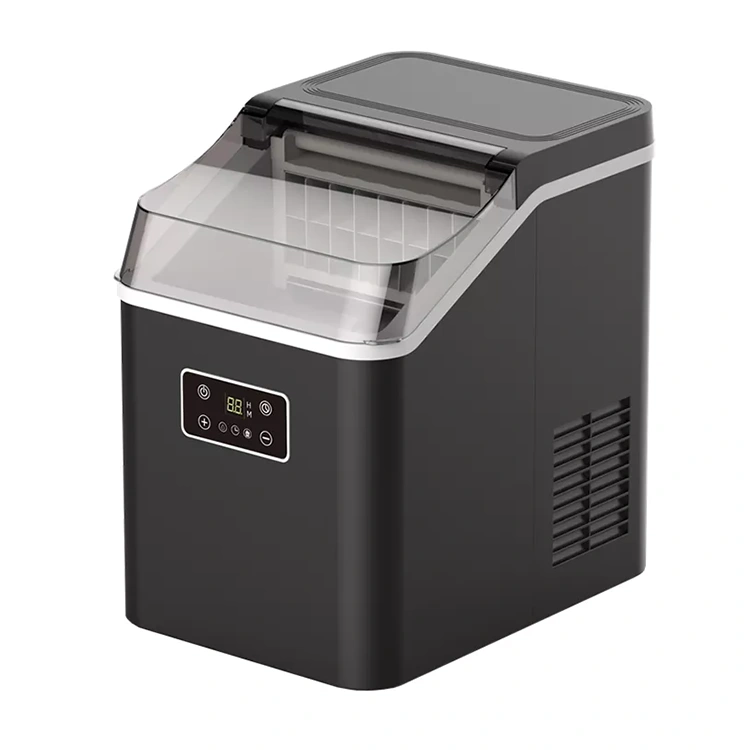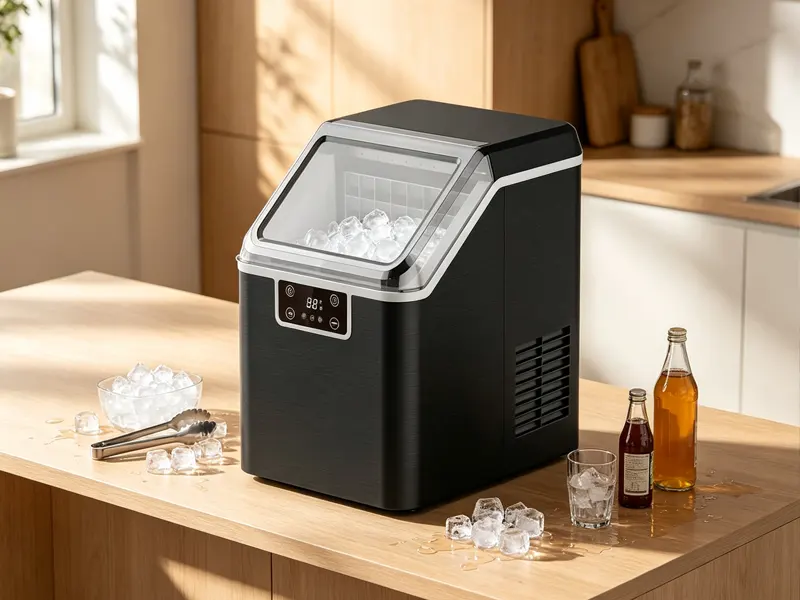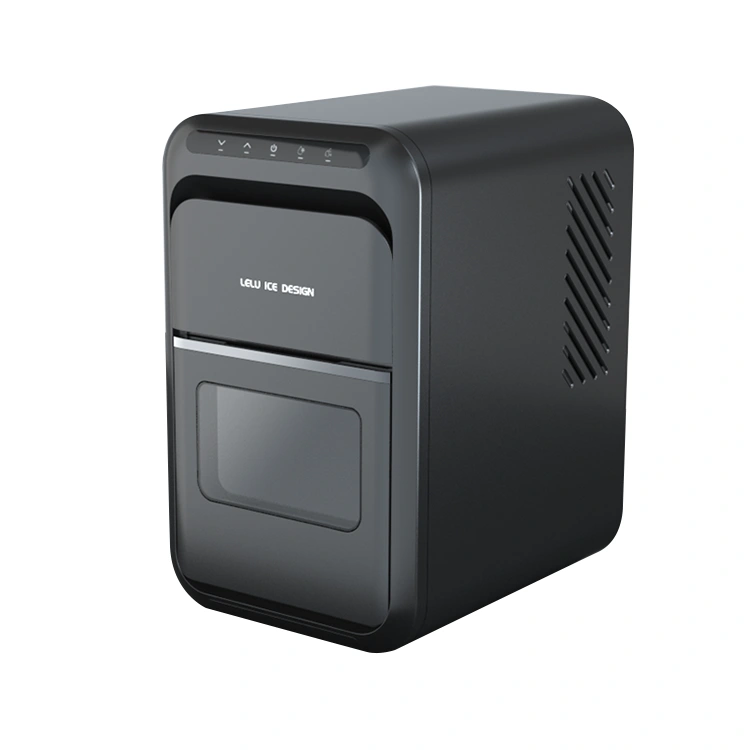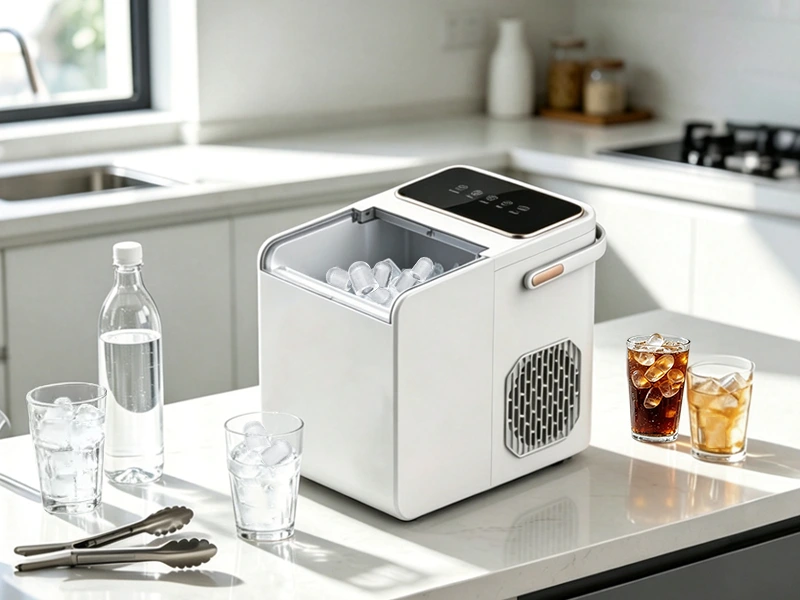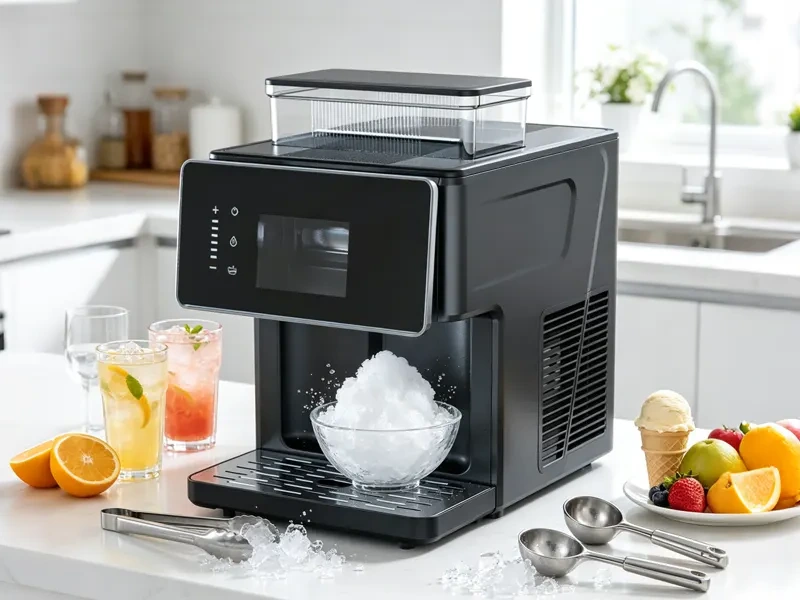

Crescent ice makers produce distinctive crescent-shaped ice designed for everyday beverages, hospitality environments, offices, cafes, bars, and small commercial applications. Beyond ice shape, buyers need to consider production capacity, storage, water management, cleaning, energy use, installation space, safety functions, and long-term maintenance. This guide explains how crescent ice makers work, what features matter most, how to match capacity with demand, and how Ningbo YOUMAN Electrical Appliances Co., Ltd. supports household, commercial, wholesale, and OEM/ODM ice-making requirements.
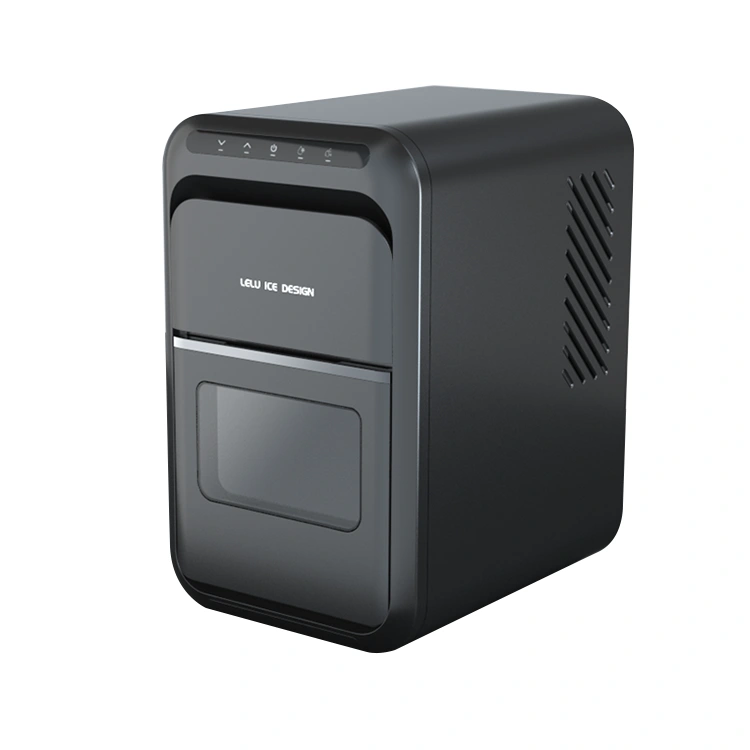
Table of Contents
- Understanding Crescent Ice Makers
- Why Crescent-Shaped Ice Matters
- How a Crescent Ice Maker Works
- Key Features to Consider
- How to Match Ice Capacity to Demand
- Where Crescent Ice Makers Are Used
- Cleaning and Maintenance Essentials
- Practical Buying Considerations
- Crescent Ice Maker Solutions from YOMAN
- Frequently Asked Questions
- Final Considerations
Understanding Crescent Ice Makers
A crescent ice maker is a dedicated ice-making appliance designed to produce ice in a curved, crescent-like shape. Unlike conventional refrigerator ice trays, a dedicated machine controls the freezing process and automatically produces a fresh supply of ice according to its rated capacity.
The shape is more than a visual feature. Crescent ice can provide an attractive presentation for iced coffee, cocktails, soft drinks, fruit beverages, sparkling water, and other cold drinks. For businesses serving beverages throughout the day, an independent ice maker can also provide a more predictable source of ice without relying on a household refrigerator.
Key point: Choosing the right machine is not simply about finding the largest ice output. The better approach is to balance daily demand, storage capacity, available space, operating environment, cleaning requirements, power consumption, and expected usage frequency.
Why Crescent-Shaped Ice Matters
Ice shape can influence both beverage presentation and practical handling. Crescent-shaped ice gives drinks a distinctive appearance and can be used in a broad range of beverage applications.
1. Attractive Beverage Presentation
The curved form creates a recognizable visual element in transparent glasses. This can be useful for cafes, bars, restaurants, hospitality spaces, and home entertaining where presentation is part of the overall drinking experience.
2. Flexible Everyday Applications
Crescent ice can be used with iced coffee, juice, soda, cocktails, mocktails, tea, fruit drinks, and chilled water. Its versatility makes this ice format suitable for both domestic and light-commercial environments.
3. Convenient Dedicated Ice Production
A dedicated appliance separates ice production from food storage. Users do not have to depend on conventional freezer trays or wait for a refrigerator to produce enough ice for a gathering or beverage service period.
How a Crescent Ice Maker Works
The basic ice-making cycle combines a water supply system, evaporator, refrigeration circuit, temperature control, and ice collection process. Water is introduced into the freezing area, where heat is removed through the refrigeration system. As the water freezes against the evaporator surface, the ice gradually develops its intended shape.
Once the freezing cycle is complete, the machine releases the formed ice into the storage area. Depending on the model, sensors and control functions can monitor water level and ice storage conditions, helping the machine determine when to continue production or stop automatically.
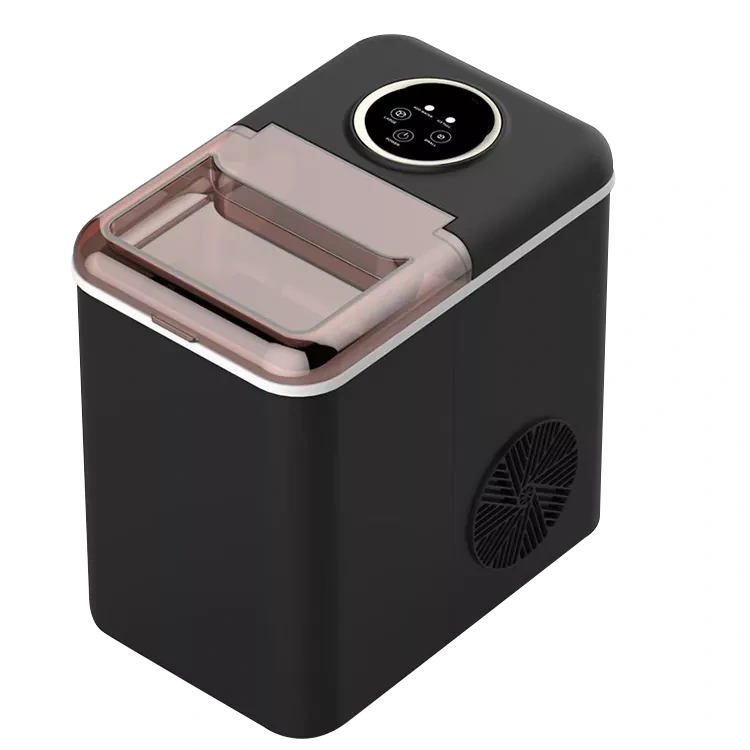
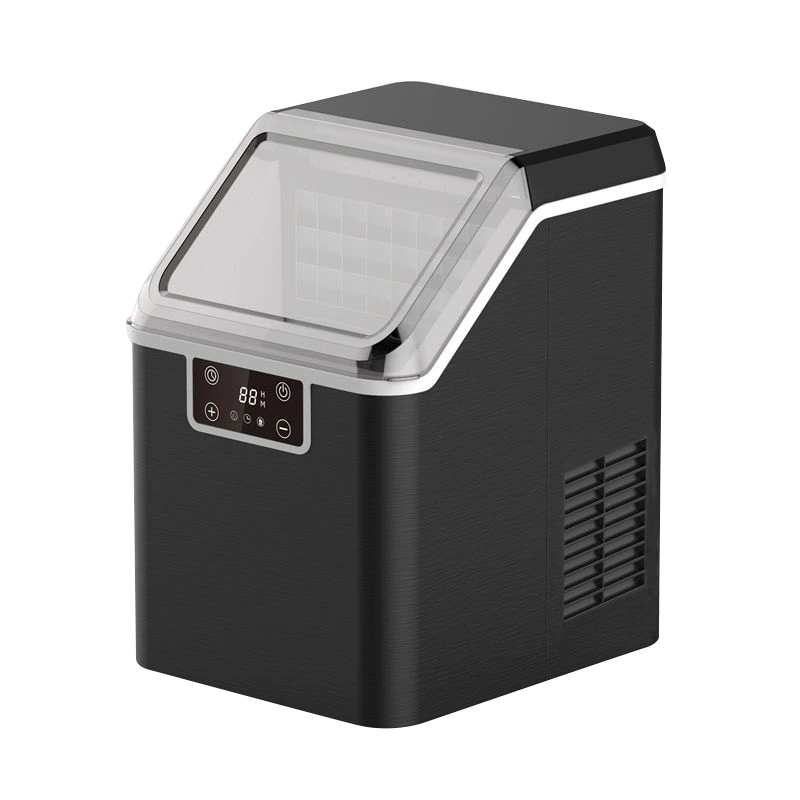
For example, YOMAN's crescent ice maker range includes models designed around practical daily use. Its listed 15 kg/24h model combines a 1.8-liter water tank with a 1.2 kg ice storage capacity, while automatic ice-full stopping, water-shortage protection, and self-cleaning functions are designed to simplify operation.
Actual production performance can vary according to ambient temperature, water temperature, ventilation, operating conditions, and other factors. Buyers should therefore treat rated production capacity as a reference for model selection rather than assuming the same output under every environment.
Key Features to Consider
A good crescent ice maker should be evaluated as a complete system rather than by one specification. The following factors are particularly important.
| Feature | Why It Matters | What Buyers Should Check |
|---|---|---|
| Ice Production | Determines how much ice the machine can theoretically produce over a period. | Rated kg/24h output and expected peak demand. |
| Ice Storage | Provides a temporary supply between production cycles. | Bin capacity and whether additional storage is required. |
| Water Capacity | Affects how frequently users need to refill the machine. | Built-in tank size or connection requirements. |
| Cleaning Function | Helps simplify routine hygiene and maintenance. | Automatic cleaning programs and accessible components. |
| Safety Protection | Helps reduce operating risks and unnecessary machine stress. | Ice-full stop and water-shortage protection. |
| Dimensions | Determines whether the machine fits the intended location. | Overall dimensions, ventilation clearance, and installation space. |
Automatic Cleaning
Cleaning is particularly important because ice is directly associated with food and beverage service. An automatic self-cleaning program can reduce the amount of manual work required during routine maintenance, although it should not replace regular inspection and appropriate sanitation procedures.
Water and Ice-Level Protection
Water-shortage alarms and automatic ice-full stopping can make operation easier. These functions are especially useful in busy environments where staff may not continuously monitor the machine.
Compact Construction
For homes, offices, cafes, guest rooms, and small beverage businesses, available counter or floor space can be limited. A compact design can make installation more flexible, provided adequate ventilation and operating clearance are maintained.
How to Match Ice Capacity to Demand
Capacity should be selected according to actual consumption rather than simply choosing the highest-rated model. A machine that is too small may require frequent replenishment, while an unnecessarily large unit can occupy more space and increase purchase and operating costs.
Household and Small Gatherings
For ordinary home use, iced beverages and occasional gatherings usually require a smaller machine. Compact models can prioritize simple operation, convenient water filling, and easy storage.
Offices and Guest Spaces
Offices, meeting rooms, homestays, and hospitality guest areas may need a moderate daily supply. Here, a balance between output, storage capacity, footprint, and noise becomes more important.
Cafes, Bars, and Small Beverage Businesses
Commercial users should estimate the number of beverages served during busy periods and consider the amount of ice used per drink. Peak demand matters because a machine that meets average daily consumption may still struggle during the busiest service hours.
- Estimate average daily beverage volume.
- Calculate approximate ice consumption per beverage.
- Consider peak-hour demand separately from daily averages.
- Check whether the storage bin can bridge production intervals.
- Allow for environmental conditions that may affect production.
Where Crescent Ice Makers Are Used
Home Kitchens
Compact crescent ice makers can support iced coffee, soft drinks, fruit juice, cocktails, mocktails, and family gatherings. Their dedicated operation provides an alternative to making ice manually in a freezer.
Cafes and Coffee Shops
Crescent ice can contribute to the presentation of iced coffee and specialty drinks. A dedicated machine can also help beverage businesses maintain a more consistent ice supply during service.
Bars and Hospitality
Bars, hotels, homestays, and other hospitality environments often require ice throughout the day. Crescent-shaped ice can provide both functional cooling and a distinctive visual element in drinks.
Offices
Office pantries and employee break areas can benefit from compact machines that provide fresh ice without requiring staff to prepare and store large quantities manually.
Small Retail and Distribution Projects
Retailers and distributors may look for private-label or customized products that fit a specific market. In these situations, product configuration, appearance, packaging, certifications, and production consistency can be as important as the basic ice-making function.
Cleaning and Maintenance Essentials
Regular maintenance is essential for maintaining hygienic ice production and stable equipment performance. Even a machine with an automatic cleaning program requires appropriate routine care.
- Keep the water system clean: Follow the manufacturer's recommended cleaning intervals and procedures.
- Inspect the ice storage area: Remove residual ice and clean surfaces as recommended.
- Check ventilation: Keep air inlets and outlets unobstructed to support heat dissipation.
- Monitor water quality: Water containing excessive minerals may contribute to scale accumulation.
- Clean external surfaces: Regularly wipe the housing and control panel to maintain a clean operating environment.
- Follow the product manual: Different refrigeration and water systems can have different maintenance requirements.
Important: If the machine will be used in a commercial food or beverage environment, cleaning schedules should also take into account applicable local hygiene requirements and the operating site's sanitation procedures.
Practical Buying Considerations
For buyers sourcing crescent ice makers for personal use, retail distribution, or commercial projects, a structured evaluation can prevent common purchasing problems.
1. Define the Intended Market
Determine whether the machine will be sold for household, hospitality, food-service, office, or other applications. The intended market affects capacity, appearance, controls, certifications, packaging, and technical requirements.
2. Confirm Electrical Requirements
Voltage, frequency, rated current, plug type, and local electrical requirements should be confirmed before ordering. This is particularly important for international distribution.
3. Check Certification Requirements
Different markets can have different compliance requirements. Buyers should confirm which certifications and technical documents apply to their target market and selected model.
4. Evaluate Customization Support
OEM and ODM buyers may require customized logos, colors, packaging, product appearance, private labeling, or other product modifications. These requirements should be discussed before production rather than after an order has been finalized.
5. Confirm Production and Quality-Control Capabilities
For repeat wholesale orders, manufacturing capacity, testing procedures, production consistency, lead time, spare-parts support, and after-sales communication can significantly affect the long-term supply relationship.
Crescent Ice Maker Solutions from YOMAN
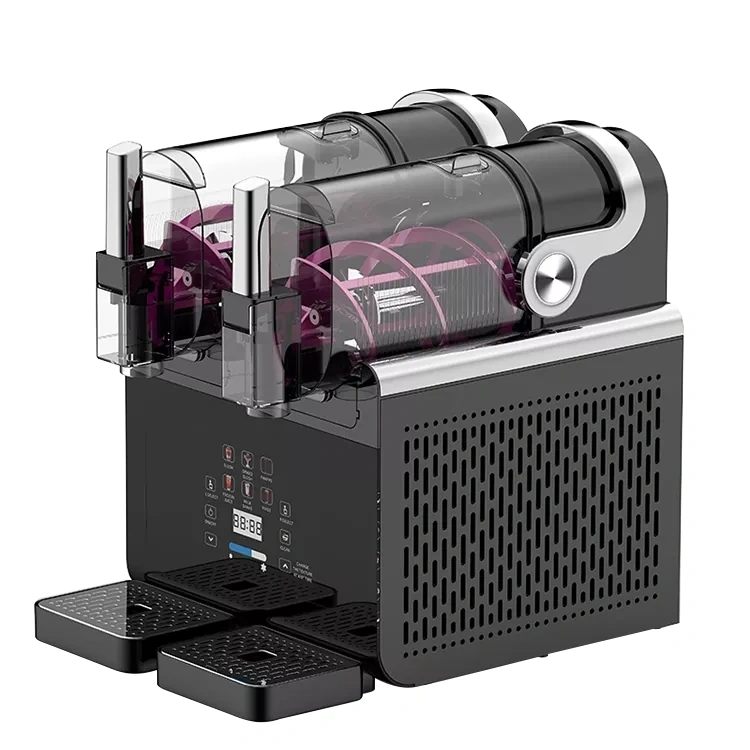
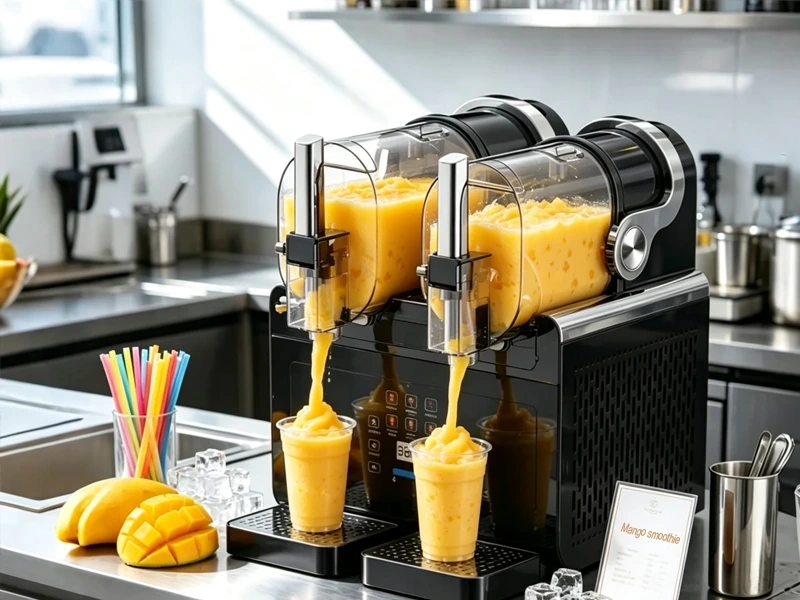
Ningbo YOUMAN Electrical Appliances Co., Ltd., operating under the YOMAN brand, specializes in ice makers for household and commercial applications. Its product range includes bullet ice makers, cube ice makers, snowflake ice makers, slush blenders, and crescent ice makers. The company states that it has in-house product development, production, and testing capabilities and supports wholesale, distributor, and OEM/ODM projects.
Its manufacturing information lists approximately 30,000 square meters of production space, six assembly lines, and an annual capacity of about two million ice makers. The company also describes a dedicated testing department using equipment such as leak detectors, vacuum pumps, refrigerant charging machines, and constant-temperature test chambers.
For crescent ice applications, YOMAN offers models designed for different usage requirements. Its product information highlights features such as crescent-shaped ice production, automatic cleaning, ice-full protection, water-shortage alarms, compact construction, and OEM private-labeling options.
| Buyer Requirement | Relevant YOMAN Capability |
|---|---|
| Household ice supply | Compact crescent ice maker configurations for daily beverage use |
| Small commercial applications | Models with practical daily ice production and storage capacity |
| Easy maintenance | Selected models include automatic self-cleaning functions |
| Wholesale distribution | Manufacturing capacity and repeat-order support |
| Private-label projects | OEM/ODM and private-label customization support |
| Different market requirements | Product development, production, testing, and certification support according to model and target market |
For buyers evaluating a specific model, the most useful approach is to provide the intended application, target market, required daily output, preferred ice shape, electrical requirements, customization needs, and expected order quantity. This allows the manufacturer to recommend a configuration based on the actual project rather than a generic product specification.
Frequently Asked Questions
What is a crescent ice maker?
A crescent ice maker is an appliance designed to automatically produce curved, crescent-shaped ice. It can be used for household beverages, hospitality, cafes, bars, offices, and other applications requiring a dedicated ice supply.
What makes crescent ice different from regular cube ice?
The most obvious difference is the shape. Crescent ice has a curved profile that can create a distinctive beverage presentation. The appropriate ice shape ultimately depends on the drink type, serving method, and user's preferences.
Are crescent ice makers suitable for commercial use?
Yes. Certain models are designed for cafes, bars, restaurants, homestays, offices, and other small commercial environments. Buyers should select capacity and storage according to actual service demand.
How much ice can a crescent ice maker produce?
Production varies by model. For example, YOMAN lists a compact crescent ice maker with approximately 15 kg of ice production per 24 hours and a 1.2 kg ice storage capacity. Larger commercial configurations can have substantially higher capacities.
Do crescent ice makers require regular cleaning?
Yes. Regular cleaning is important for maintaining hygienic ice production and reliable operation. Automatic self-cleaning can simplify the process but does not eliminate the need for routine inspection and maintenance.
Can crescent ice makers be customized for wholesale projects?
OEM/ODM customization may be available depending on the manufacturer and project requirements. YOMAN states that it supports OEM/ODM projects and private-label services, including customization options for different markets.
What should I provide when requesting a quotation?
Useful information includes the target market, application, required ice output, preferred ice type, voltage and frequency, quantity, packaging requirements, branding needs, certifications, and desired delivery schedule.
Final Considerations
Crescent ice makers combine dedicated ice production with a distinctive ice shape that works well across household, hospitality, beverage, and small commercial applications. The right machine should not be selected solely by appearance or maximum output. Production capacity, storage, water management, cleaning, protection functions, installation space, electrical requirements, maintenance, and customization capabilities all deserve attention.
For distributors and commercial buyers, working directly with an experienced manufacturer can also make it easier to coordinate product specifications, private labeling, packaging, production requirements, and market-specific documentation. Ningbo YOUMAN Electrical Appliances Co., Ltd. provides a range of ice-making products and manufacturing services for customers seeking household, commercial, wholesale, and OEM/ODM solutions.
Build the Right Ice-Making Solution
Looking for a crescent ice maker for your home, beverage business, hospitality project, distribution network, or private-label product line? Share your application, capacity requirements, target market, and customization needs with Ningbo YOUMAN Electrical Appliances Co., Ltd. to discuss a suitable solution. Contact us to explore available models and OEM/ODM possibilities.