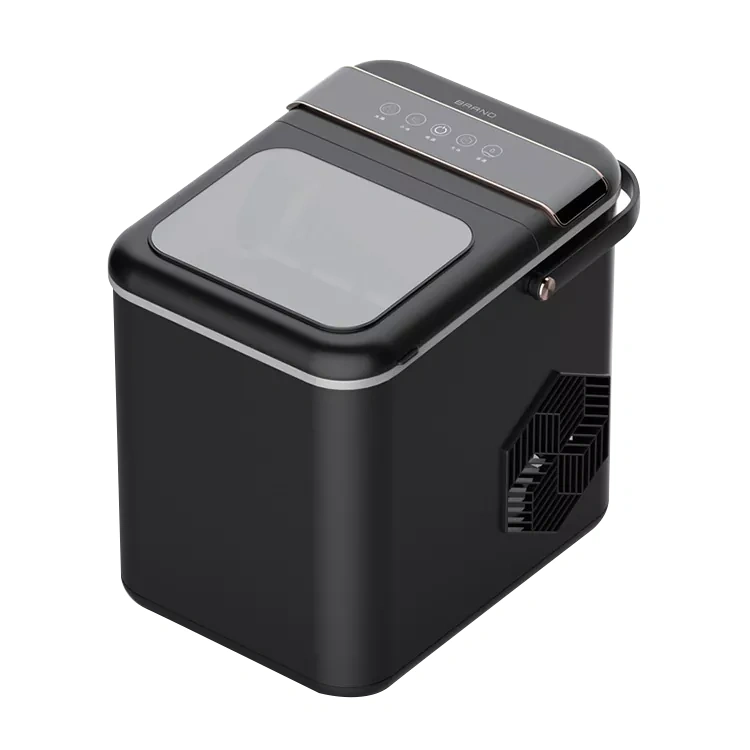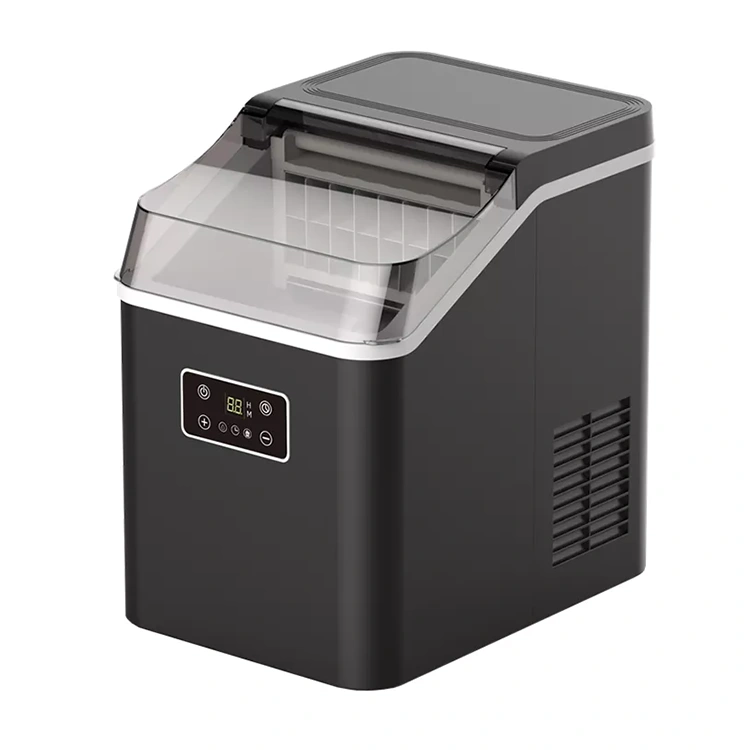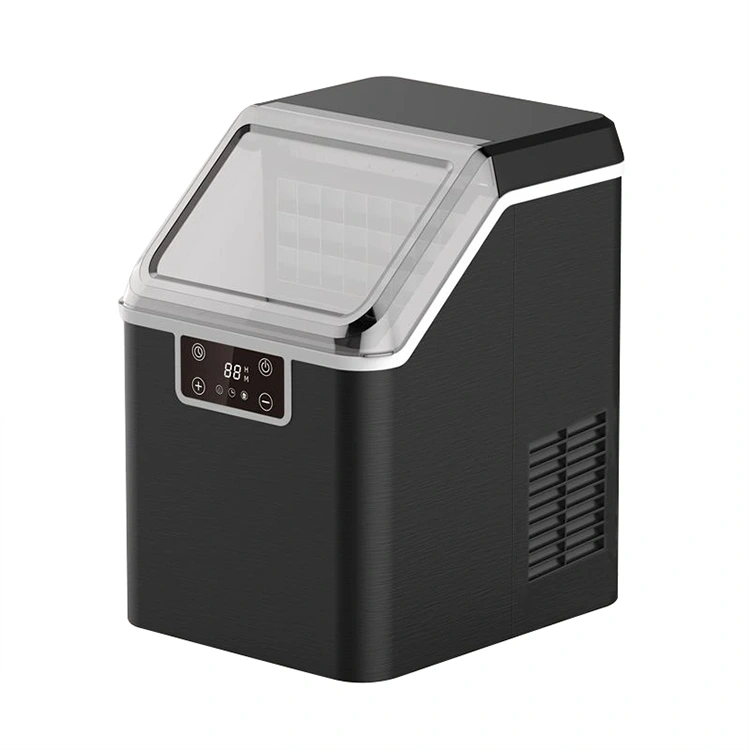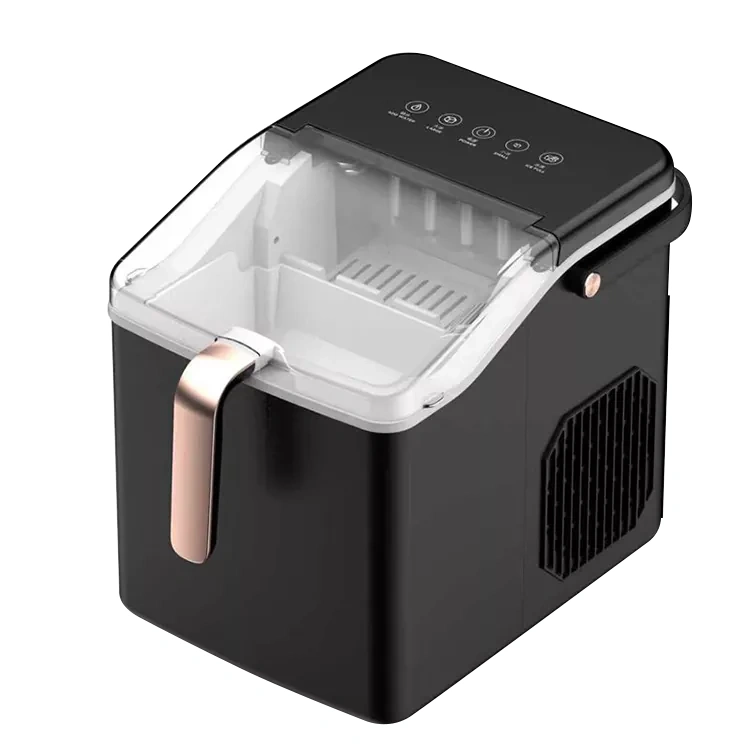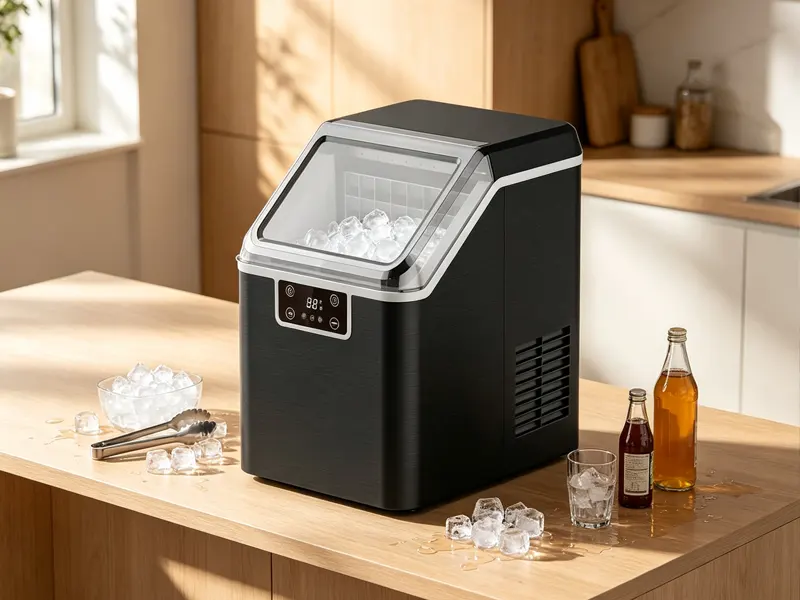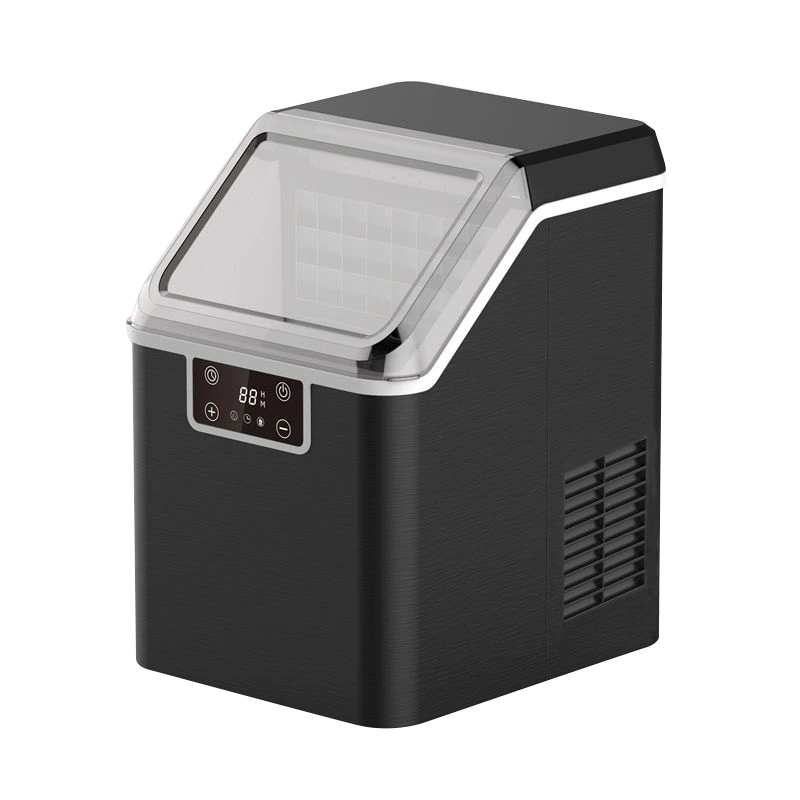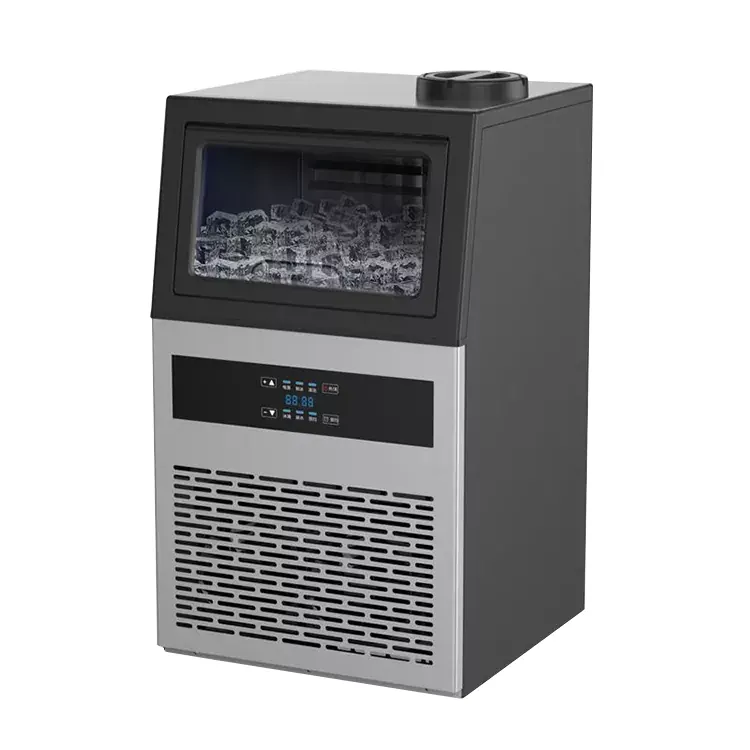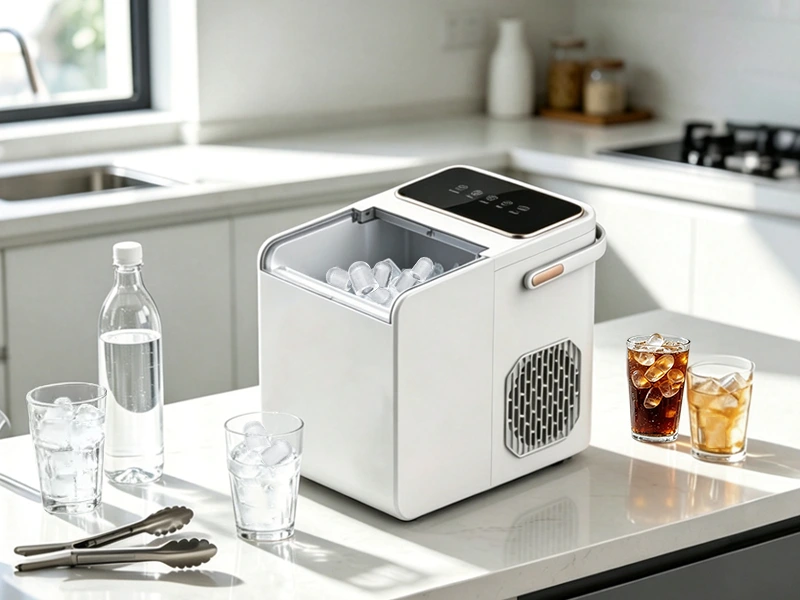

Modern beverage preparation and food service environments require convenient and reliable ice supply solutions. Professional Ice Maker Machine help users produce fresh ice efficiently while reducing dependence on traditional freezer-based methods. This guide explains how dedicated ice production systems work, explores different ice shapes, introduces key features, and discusses suitable applications across household, hospitality, and commercial environments.
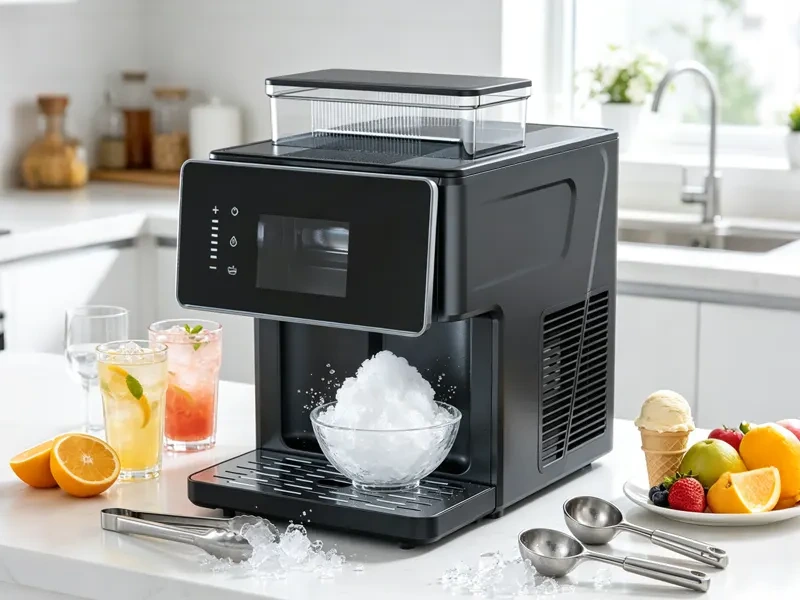
Table of Contents
- Understanding Modern Ice Production Solutions
- Different Types of Ice Making Equipment
- Key Features That Improve Daily Ice Preparation
- Ice Maker Machines Compared with Refrigerator Ice Making
- Common Application Areas
- Important Factors When Selecting Ice Equipment
- Maintenance and Operation Considerations
- Frequently Asked Questions
Understanding Modern Ice Production Solutions
Ice preparation has become an essential part of many daily beverage and food service activities. From household kitchens to professional beverage shops, users increasingly need a dedicated solution that can provide fresh ice whenever required. Ice Maker Machines are designed to create ice independently through an integrated refrigeration system, allowing users to produce different ice types according to their specific requirements.
Unlike conventional refrigerator freezing methods, dedicated ice-making equipment focuses on one primary function: producing ice efficiently and consistently. The independent structure helps separate ice production from food storage areas, providing a cleaner environment for ice preparation.
With different models available for various applications, modern ice equipment can support homes, offices, cafes, restaurants, hotels, and beverage businesses. Users can select different ice shapes based on drink presentation, cooling requirements, and operating environments.
How Dedicated Ice Production Works
Most ice-making systems combine refrigeration components, water circulation structures, insulation materials, and automatic control functions. Water enters the system, passes through the freezing process, and gradually forms ice with a specific shape and structure.
Advanced designs may include automatic cleaning programs, compact layouts, and stable cooling components to improve convenience during regular operation. These functions allow users to manage daily ice production with less manual involvement.
Different Types of Ice Making Equipment
Different applications require different ice shapes. Beverage shops may need visually attractive ice, while restaurants may prefer practical cube ice for general service. Selecting the right ice type helps improve user experience and operational convenience.
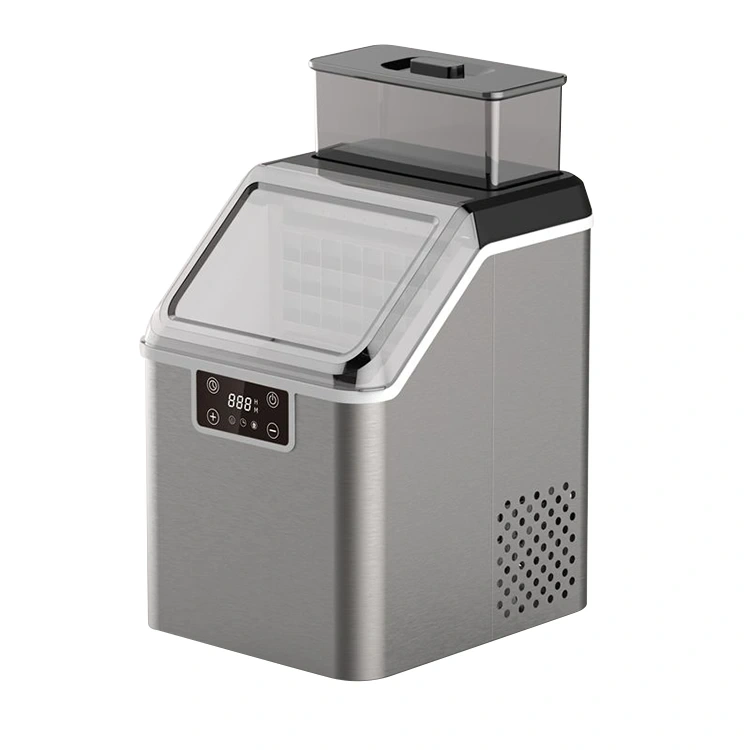
Bullet Ice Makers
Bullet ice makers create rounded bullet-shaped ice pieces with a smooth surface. Their compact design makes them suitable for kitchens, offices, small beverage areas, and hospitality spaces where flexible ice preparation is needed.
Cube Ice Makers
Cube ice makers produce regular cube-shaped ice commonly used in restaurants, cafes, bars, and beverage service areas. Cube ice provides a traditional appearance and is widely used for cold drinks, soft drinks, and general beverage applications.
Crescent Ice Makers
Crescent ice makers produce curved crescent-shaped ice with an attractive appearance. This type of ice is often selected for beverages where presentation and visual appeal are important.
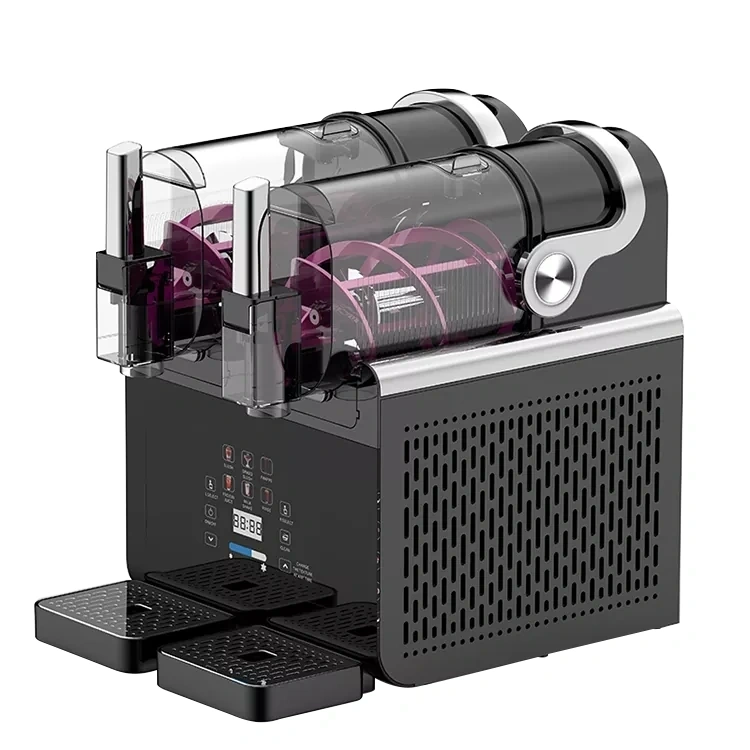
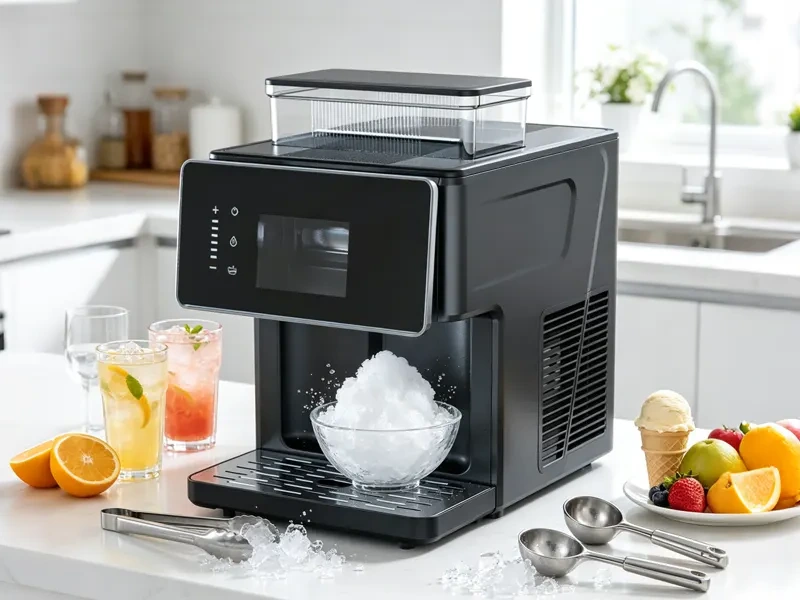
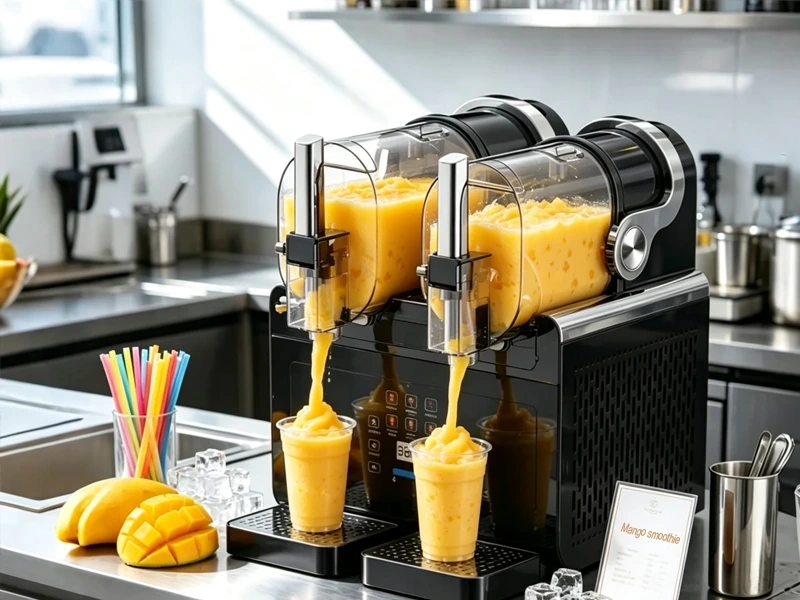
Snow Ice Makers and Smoothie Machines
Snow ice makers and smoothie machines are designed for applications requiring softer ice textures. They are commonly used for specialty beverages, frozen drinks, and creative beverage preparation.
| Ice Type | Main Characteristics | Typical Applications |
|---|---|---|
| Bullet Ice | Rounded shape and compact size | Homes, offices, small beverage areas |
| Cube Ice | Classic shape with stable structure | Cafes, restaurants, bars |
| Crescent Ice | Curved appearance for beverage presentation | Cocktails and cold drinks |
| Snow Ice | Soft texture for specialty drinks | Frozen beverages and desserts |
Key Features That Improve Daily Ice Preparation
Modern ice production equipment combines automation, refrigeration technology, and practical design to support different usage environments. Whether used in a home kitchen or a commercial beverage area, several features help improve the overall ice-making experience.
Fast Ice Production Process
One important advantage of dedicated ice-making equipment is the ability to produce ice automatically without waiting for long freezing cycles inside a refrigerator. The integrated system is designed to complete the ice-making process continuously, helping users prepare fresh ice whenever needed.
For beverage preparation areas, this function provides greater flexibility because ice availability is not limited by traditional freezer space. Users can organize ice preparation according to actual daily requirements.
Independent Ice Production System
Dedicated ice production operates separately from food storage areas. This independent structure helps avoid possible odor transfer from stored food and creates a specific environment only for ice preparation.
For restaurants, cafes, and hospitality facilities, an independent system also makes daily management easier because ice production does not depend on refrigerator capacity.
Self-Cleaning Function for Easier Maintenance
Some models are equipped with built-in self-cleaning programs that simplify routine maintenance. These functions help reduce manual cleaning steps and support more convenient daily operation.
- Automatic cleaning programs on selected models
- Reduced maintenance workload during regular use
- Improved convenience for household and commercial users
Compact and Practical Structure
Space efficiency is an important consideration for many users. Compact designs allow ice-making equipment to be placed in kitchens, offices, hotel rooms, beverage counters, and other areas where available space is limited.
A practical structure combines easy operation with efficient use of space, making the equipment suitable for different environments.
Stable Refrigeration Performance
Reliable refrigeration components and insulation structures help maintain stable cooling performance during ice production. A well-designed refrigeration system supports consistent operation and helps produce ice with stable quality.
Ice Maker Machines Compared with Refrigerator Ice Making
Traditional refrigerators can provide basic ice-making functions, but dedicated ice equipment is designed specifically for continuous ice preparation. The differences mainly appear in production methods, operation convenience, and application flexibility.
| Comparison Aspect | Traditional Refrigerator Ice Making | Dedicated Ice Production Equipment |
|---|---|---|
| Ice Preparation Method | Requires freezing trays or built-in freezer functions | Automatic ice production through an independent system |
| Ice Supply Capacity | Limited by freezer space | Designed for dedicated ice production requirements |
| Operation Mode | Shares space with stored food | Independent operation for ice preparation |
| Cleaning Management | Requires manual cleaning procedures | Selected models provide self-cleaning functions |
| Application Flexibility | Mainly household refrigerator use | Suitable for homes, offices, and commercial environments |
The choice between different ice-making methods depends on usage requirements. For occasional household use, refrigerator ice functions may be sufficient. For users who need regular ice preparation, dedicated equipment provides a more focused solution.
Common Application Areas
Ice production equipment supports a wide range of environments where fresh ice is required. Different ice shapes and machine structures allow users to select suitable solutions according to application needs.
- Household Kitchens: Suitable for preparing iced coffee, juice, soft drinks, and other cold beverages at home.
- Office Beverage Areas: Compact models provide convenient ice supply for meeting spaces, employee break rooms, and shared beverage areas.
- Cafes and Beverage Shops: Different ice shapes support coffee drinks, milk tea, cocktails, smoothies, and specialty beverages.
- Restaurants and Hotels: Reliable ice supply helps support customer service areas, dining spaces, and hospitality applications.
- Retail and Distribution Projects: OEM and ODM options allow brands and distributors to develop ice-making products for different markets.
Household Beverage Preparation
For home users, convenient ice availability improves everyday beverage preparation. Compact equipment can be placed on countertops or kitchen areas, providing fresh ice without occupying additional refrigerator space.
Commercial Beverage Service
Professional beverage environments often require different ice shapes for different drinks. Restaurants, cafes, and bars can select suitable models according to menu requirements and customer service needs.
Important Factors When Selecting Ice Equipment
Choosing suitable ice-making equipment requires consideration of several practical factors, including ice type, installation environment, operation requirements, and product functions.
Consider the Required Ice Shape
Different beverages and applications may require different ice forms. Cube ice is commonly used for general drinks, while crescent or specialty ice may provide a different appearance for beverage presentation.
Evaluate Installation Space
Before selecting equipment, users should consider available installation areas. Compact countertop models are suitable for limited spaces, while larger units may be preferred for professional service environments.
Check Functional Requirements
Features such as automatic controls, self-cleaning programs, and stable refrigeration systems can influence daily operation convenience. Users should select functions according to their actual working environment.
Understand Power and Voltage Requirements
Different markets may have different electrical standards. Selecting suitable voltage specifications helps ensure proper installation and reliable operation.
Maintenance and Operation Considerations
Proper maintenance helps maintain stable operation and extends equipment service life. Although modern designs simplify operation, regular care remains important.
- Clean the ice-making area regularly according to the operation instructions.
- Keep ventilation areas clear to support stable refrigeration performance.
- Use clean water sources suitable for ice production requirements.
- Follow recommended maintenance procedures for long-term operation.
- Check machine components regularly when used in commercial environments.
Daily Cleaning Practices
Regular cleaning helps maintain a clean ice production environment. Users should follow the recommended cleaning procedures based on machine structure and frequency of use.
Proper Operating Environment
Placing equipment in a suitable environment with proper ventilation helps maintain refrigeration efficiency. Avoiding excessive heat sources and keeping surrounding areas clean can support normal operation.
Frequently Asked Questions
What types of ice maker machines does YOMAN provide?
YOMAN provides different ice-making solutions, including bullet ice makers, cube ice makers, crescent ice makers, snow ice makers, and smoothie machines for different application requirements.
How are dedicated ice makers different from refrigerator ice making?
Dedicated ice-making equipment focuses on independent ice production, providing automatic operation, separate ice preparation space, and more flexible ice supply compared with traditional refrigerator freezing methods.
Can OEM and ODM customization services be provided?
Yes. OEM and ODM services can include logo customization, color options, packaging design, manual language, and voltage requirements according to product models and market needs.
What applications are suitable for ice-making equipment?
These products are suitable for household kitchens, offices, cafes, restaurants, hotels, beverage shops, and other environments requiring convenient ice production.
What certifications are available for these products?
Available certifications may include CE, CB, ETL, GS, LFGB, RoHS, and REACH according to different product models and market requirements.
How should users maintain ice-making equipment?
Users should follow cleaning instructions, maintain proper ventilation, use suitable water sources, and perform regular checks according to operating conditions.
Selecting suitable ice-making equipment depends on application requirements, preferred ice shape, available space, and operation expectations. With different product options and practical functions, modern ice solutions help users prepare fresh ice efficiently for various environments.
Contact us to discuss suitable ice-making solutions for your application requirements and explore flexible product options for different markets.