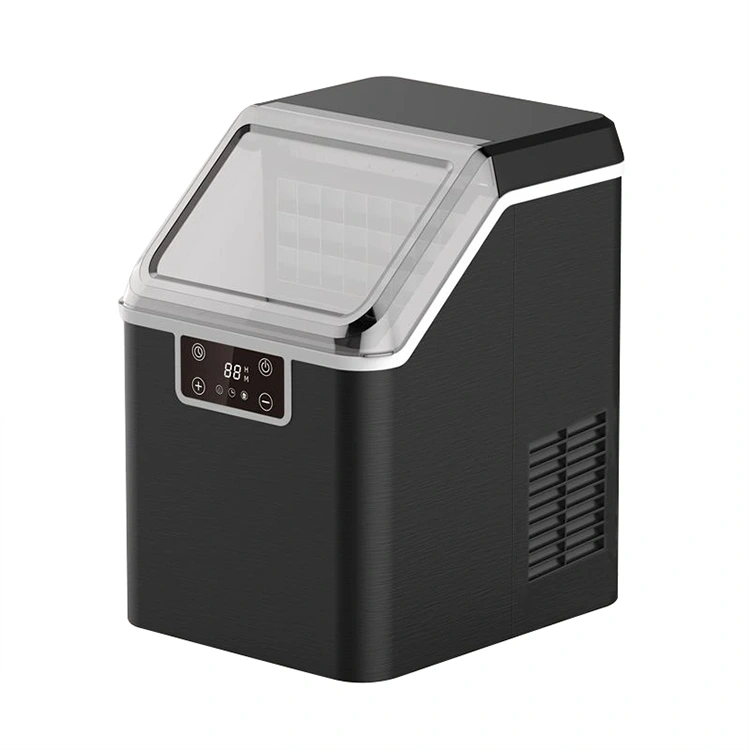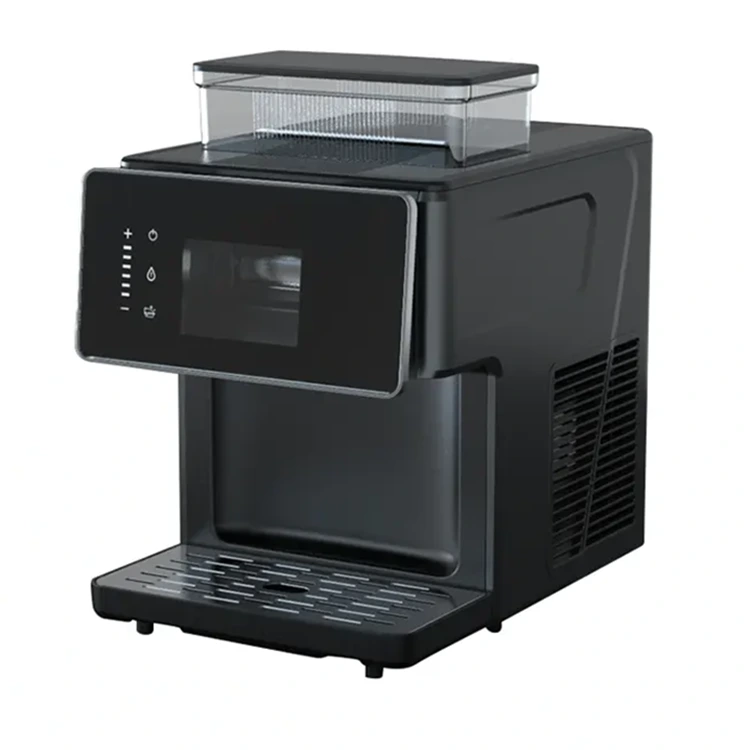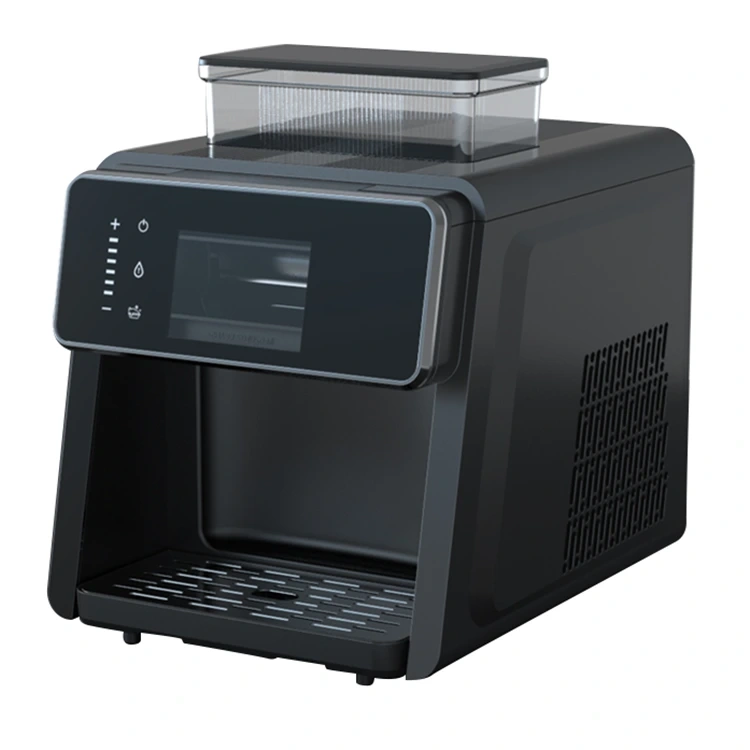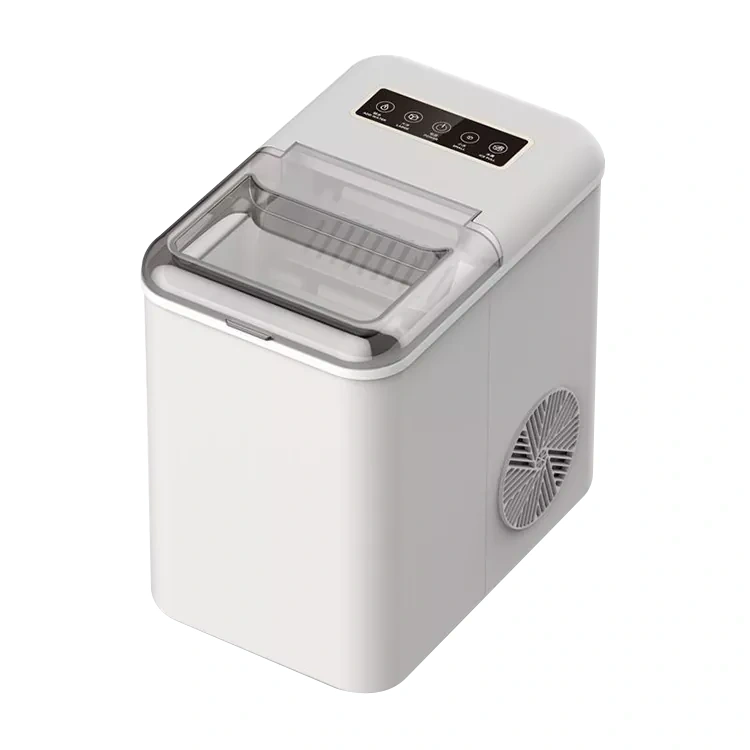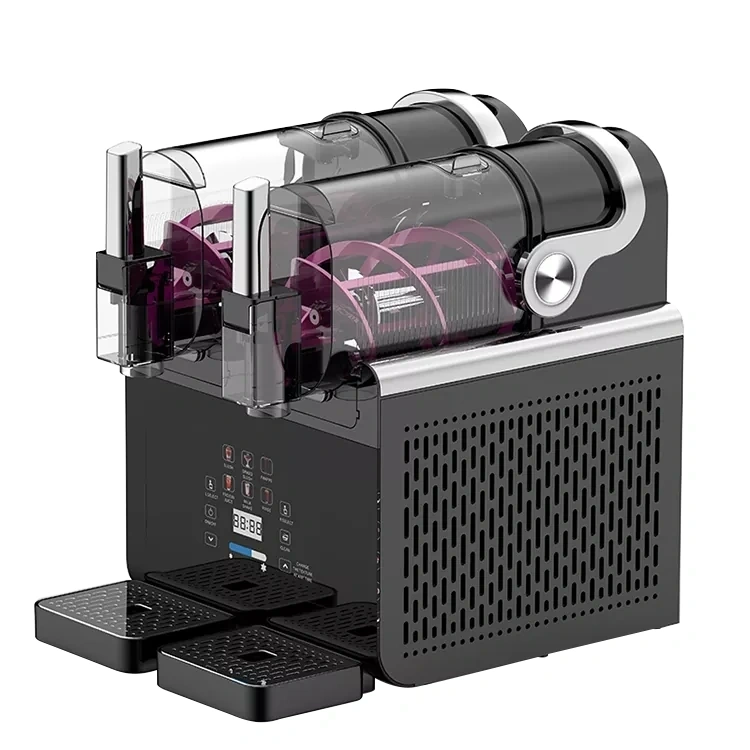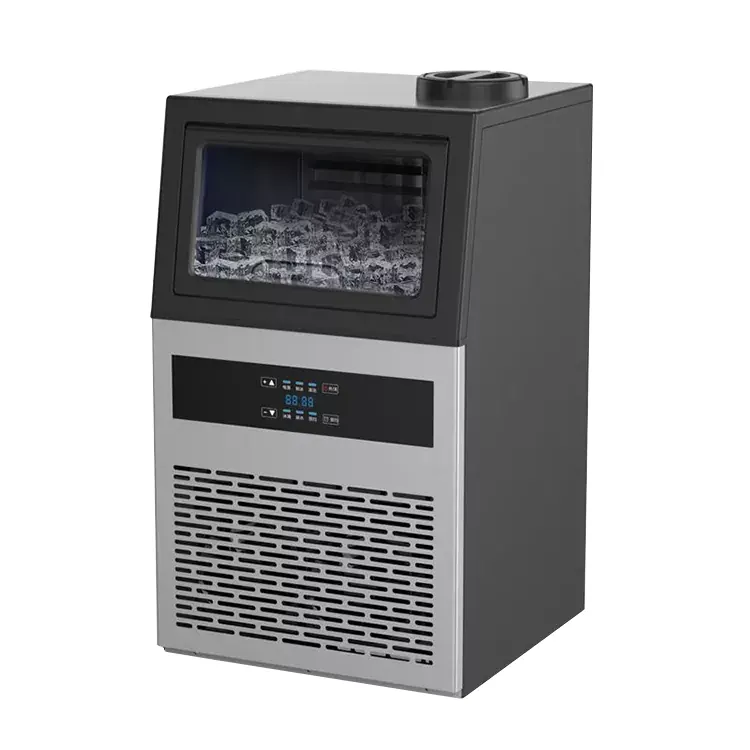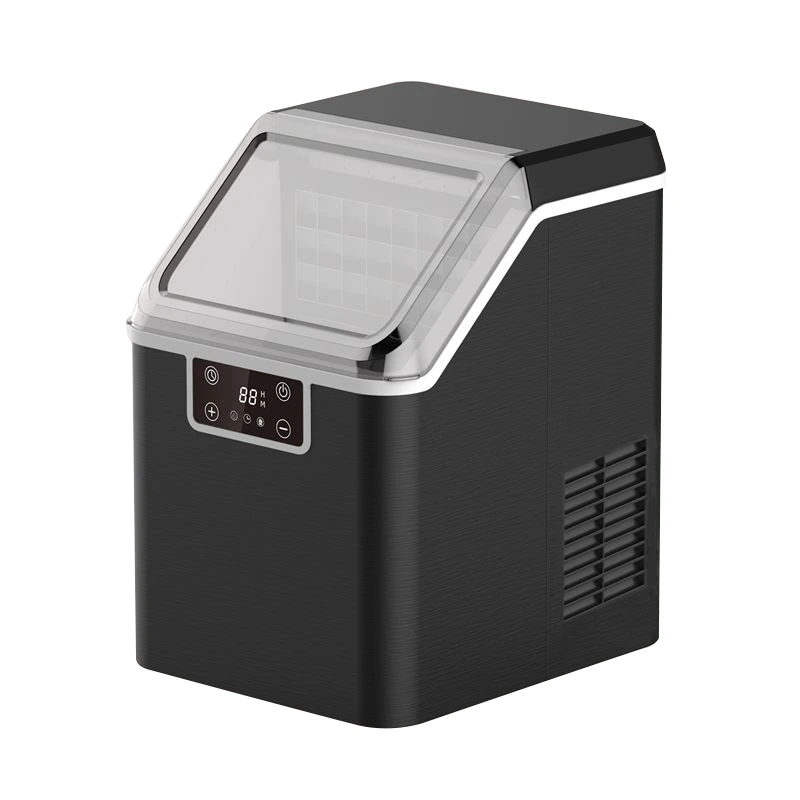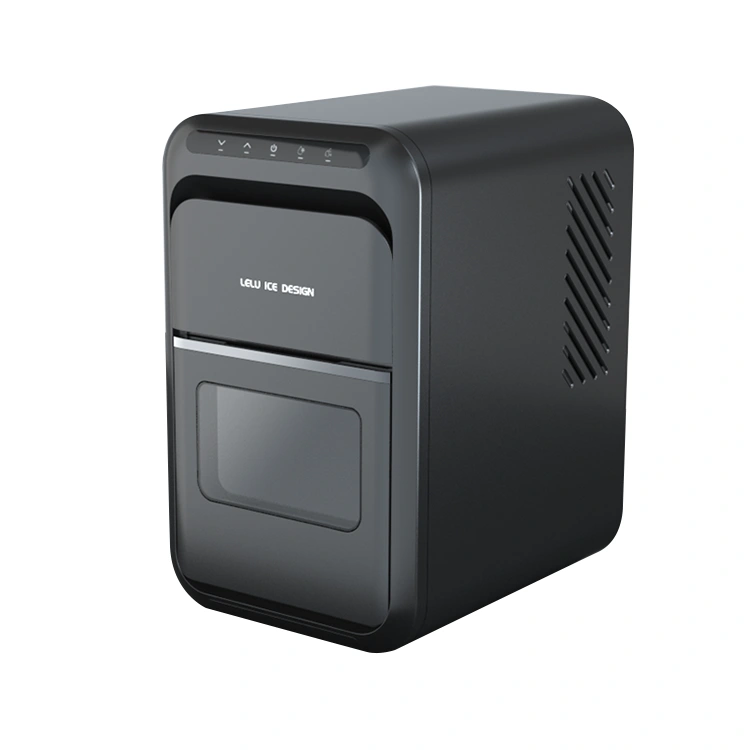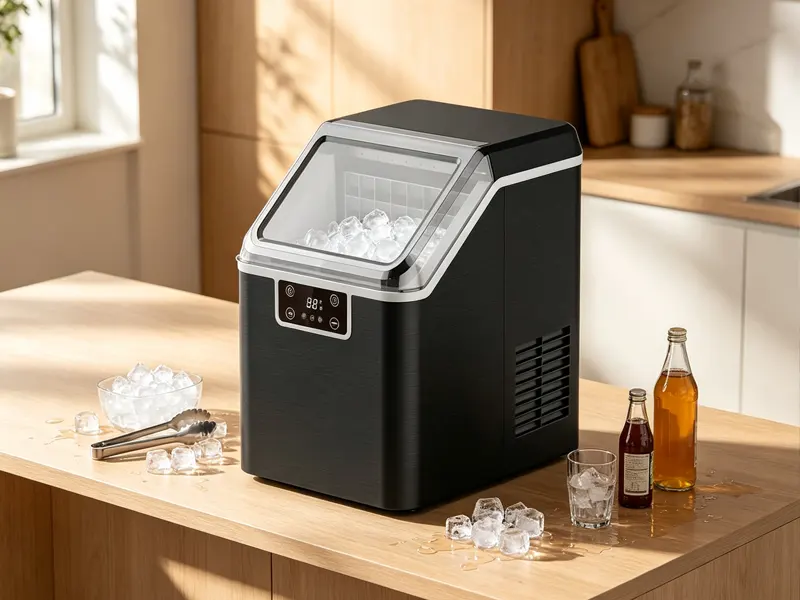

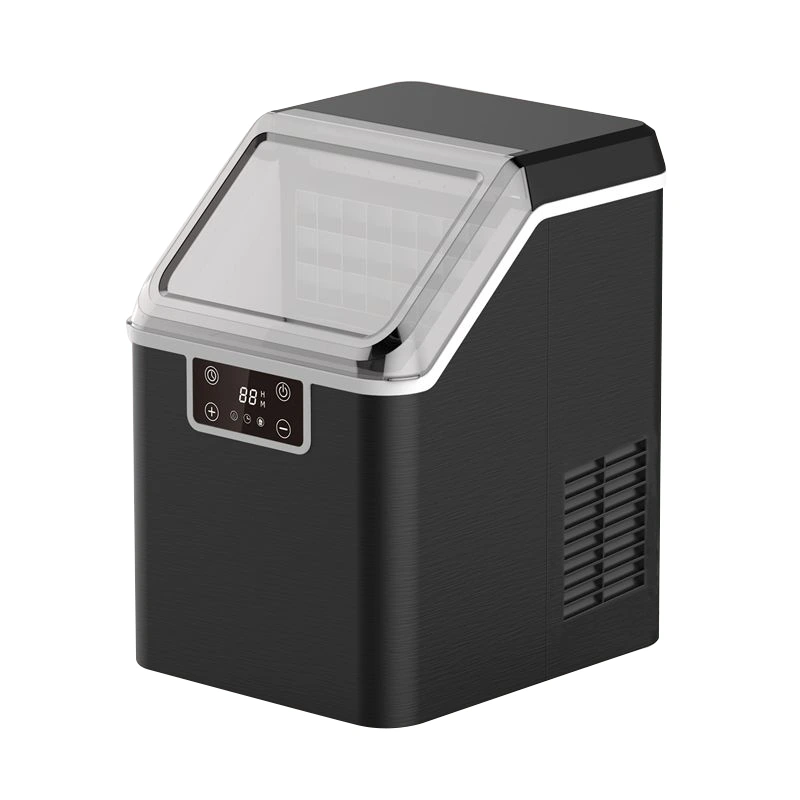
Choosing the right Cube Ice Makers involves more than checking its appearance or production speed. Refrigeration performance, ice shape, water supply, storage capacity, cleaning functions, operating controls, and safety protection all influence how well a machine performs in different environments. From household kitchens and office break rooms to cafés, bars, hotels, and beverage businesses, understanding these factors helps users identify equipment that matches their daily ice requirements. This guide explores essential product features, technical specifications, application scenarios, maintenance considerations, and customization options to support informed equipment selection.
- Understanding Ice-Making Equipment
- How the Ice-Making Process Works
- Essential Product Features
- Technical Specifications Explained
- Water Supply and Cleaning Systems
- Choosing the Right Application
- Important Selection Factors
- Maintenance and Daily Operation
- OEM and ODM Customization
- Common Selection Mistakes
- Frequently Asked Questions
1. What Are Ice-Making Machines Designed to Produce?
Ice-making machines are refrigeration appliances that convert water into solid ice through a controlled freezing process. Depending on their design, they can produce different shapes, sizes, textures, and quantities of ice. Cube-shaped ice is widely used because of its practical form, versatility, and compatibility with a broad range of beverage containers.
Cube Ice Makers are designed to produce individual ice pieces with defined geometric shapes. Their output can be used for chilled beverages, food presentation, hospitality services, and everyday refreshment. The exact dimensions, thickness, and production characteristics depend on the machine model and its freezing structure.
Why Is Cube-Shaped Ice Widely Used?
The shape of ice influences how it fits into glasses, how it interacts with beverages, and how conveniently it can be handled. Regular cube-shaped pieces are suitable for many drink-serving situations, making them a practical option for both residential and commercial environments.
- Versatile beverage applications: Suitable for water, soft drinks, juices, iced coffee, tea, and mixed beverages.
- Convenient handling: Regular shapes are easy to portion, transfer, and serve.
- Flexible use: Applicable to household refreshment, office kitchens, cafés, bars, and hospitality spaces.
- Adjustable ice characteristics: Selected models support different ice thickness settings to accommodate different preferences.
- Practical storage: Individual ice pieces can be collected in an integrated storage compartment before use.
When comparing machines, it is important to distinguish between ice appearance, production capacity, and actual application requirements. A compact countertop model may be appropriate for occasional beverage preparation, while a business serving drinks throughout the day needs to evaluate production continuity and replenishment frequency more carefully.
2. How Does the Ice-Making Process Work?
An automatic ice-making appliance uses a refrigeration system, water circulation or filling components, a freezing assembly, and an electronic control system. These components work together to transform water into ice and manage the operating cycle.
Step 1: Water Enters the Ice-Making System
Water is introduced through the machine's designated supply arrangement. Depending on the model, this may involve manual filling, a top-mounted water tank, an external water bucket, or a built-in water pipe connection.
The selected water supply method determines how conveniently the appliance can be installed and replenished. For locations where regular manual filling is inconvenient, a compatible external supply arrangement may provide a more practical setup.
Step 2: Refrigeration Creates the Freezing Conditions
The compressor and refrigeration circuit remove heat from the freezing assembly. As the temperature decreases, water begins to freeze into the intended shape. Refrigeration efficiency, ambient conditions, and the machine's structural design all influence the freezing cycle.
A high-performance compressor supports the cooling process, while insulation helps maintain internal temperature conditions. These elements are important for maintaining consistent operation across repeated ice-making cycles.
Step 3: Ice Forms and Is Released
Once the water reaches the required freezing condition, the ice-making system completes its cycle and releases the formed ice into the collection area. The internal mechanism varies according to product design.
Some models also provide adjustable ice thickness. This function gives users more flexibility when preparing beverages that require different ice characteristics.
Step 4: The Machine Monitors Its Operating Status
Electronic controls help manage the appliance during operation. Ice-full alerts and water-shortage alerts notify users when attention is required. Depending on the machine's configuration, automatic control functions can also stop operation when the storage compartment reaches its designed limit.
3. Which Features Matter Most in an Ice Maker?
Different machines may look similar from the outside but offer different internal structures and operating functions. Understanding the main features makes it easier to compare models according to practical requirements.
3.1 High-Performance Refrigeration System
The compressor is one of the most important components in an ice-making appliance. It provides the refrigeration power required to maintain freezing conditions and support repeated production cycles.
When evaluating refrigeration performance, consider the following aspects:
- Compressor configuration and refrigeration design.
- Ice-making cycle duration under specified operating conditions.
- Cooling stability during repeated operation.
- Ventilation requirements around the appliance.
- Refrigerant type and applicable product specifications.
3.2 Compact Countertop Construction
A countertop design is useful when floor space is limited or the appliance needs to be placed close to beverage preparation areas. Compact machines can be installed in suitable kitchen spaces, office break rooms, guest rooms, and small hospitality environments.
Housing materials also deserve attention. PP plastic is used in selected compact appliance designs because it supports lightweight product construction. Other models may use different exterior materials depending on their intended application and structural requirements.
3.3 Built-In Self-Cleaning Function
Water pathways and internal ice-making components require routine cleaning. A built-in self-cleaning program can help flush the designated water circuit and simplify regular maintenance.
This function is particularly useful for users who operate their machines frequently. However, automatic cleaning should be treated as a maintenance aid rather than a complete replacement for manual inspection and cleaning.
3.4 Intelligent Control Panel
A touch-button control panel provides a straightforward interface for operating the machine. Users can access available functions without navigating complicated mechanical controls.
For household and small commercial applications, clear operating indicators are particularly helpful. They allow users to understand the machine's status and respond to water shortages or a full ice compartment.
3.5 Insulation and Temperature Stability
Insulation helps reduce heat exchange between the internal storage space and the surrounding environment. Selected countertop models use EPS foam insulation to support temperature retention.
Good insulation design is relevant to storage conditions, especially when ice is not removed immediately after production. Storage capacity and insulation should therefore be evaluated together rather than considered as separate features.
4. Which Technical Specifications Should You Understand?
Technical specifications provide useful information about machine construction, electrical requirements, water supply, and storage arrangements. However, individual specifications should always be interpreted in relation to the specific model rather than applied to an entire product range.
The following table presents an example of the specifications offered by a compact countertop model and explains their practical significance.
| Specification | Example Configuration | What It Means |
|---|---|---|
| Housing Material | PP | Lightweight exterior construction. |
| Insulation Material | EPS Foam | Helps maintain internal temperature conditions. |
| Control Panel | Touch Button | Provides convenient operation and function control. |
| Ice Storage Capacity | 1.2 kg | Indicates the designed ice collection capacity. |
| Power | 190 W | Rated electrical power of the example model. |
| Current | 1.3 A | Electrical current specification. |
| Refrigerant | R290 | Refrigerant used in the specified configuration. |
| Water Supply | Multiple optional arrangements | Allows different installation and water-filling methods. |
| Control Functions | Ice-full alert, water-shortage alert, self-cleaning | Supports convenient monitoring and maintenance. |
Production Speed and Storage Capacity Are Different
Production speed refers to the time required to complete an ice-making cycle, while storage capacity indicates how much ice the collection compartment can hold. These two measurements describe different aspects of performance.
For example, a countertop model may produce ice within approximately 8–15 minutes under specified operating conditions. This does not mean that the storage compartment can continuously hold the same quantity throughout the day without ice removal.
Users should therefore examine both production characteristics and storage arrangements when choosing equipment for a particular environment.
Electrical Compatibility
Voltage and frequency compatibility should be checked before installation. Different countries and regions use different electrical standards, so the machine's rated electrical configuration must match the destination market.
For international distribution, it is useful to confirm available voltage configurations, plug requirements, electrical labeling, and applicable compliance documentation before placing an order.
5. How Do Water Supply and Cleaning Systems Affect Daily Use?
Water supply and cleaning arrangements have a direct influence on installation flexibility and everyday operation. A machine that offers suitable water connections and accessible cleaning functions is easier to integrate into different environments.
Different Water Supply Options
Depending on the model, water can be supplied through several arrangements:
- Manual water filling: Users add water directly to the designated reservoir. This arrangement is straightforward for occasional household use.
- Top-mounted water tank: A dedicated tank provides a convenient water source for compatible countertop configurations.
- External bucket connection: An external container supplies water through a compatible connection system.
- Built-in water pipe inlet: A fixed water connection can support installations where a suitable water supply is available.
Not every model supports every connection type. The actual configuration should be confirmed before selecting an appliance, especially when it will be installed in a commercial beverage preparation area.
Why Is Self-Cleaning Important?
Water can leave mineral deposits or other residues inside the water circuit over time. Regular cleaning helps maintain a suitable operating environment and reduces the accumulation of unwanted residue.
An automatic self-cleaning function can simplify this process by flushing the designated internal water pathways. It is a useful feature for machines that are used regularly in kitchens, offices, and beverage service environments.
6. Where Can Different Types of Ice Makers Be Used?
The best appliance for a particular location depends on how often ice is needed, how beverages are prepared, the available installation space, and the preferred water supply arrangement.
6.1 Household Kitchens
Home kitchens commonly require convenient ice production for drinking water, juices, iced coffee, soft drinks, and family gatherings. A compact countertop model can be placed near the refrigerator or beverage preparation area, provided that sufficient ventilation and clearance are available.
Features such as touch controls, an integrated storage compartment, automatic cleaning, and water-shortage alerts can make daily operation more convenient.
6.2 Office Break Rooms
Office kitchens and employee rest areas need convenient access to ice without requiring complicated operation. A compact machine can support daily beverage preparation for employees and visitors.
Storage capacity, replenishment frequency, noise considerations, and placement should be evaluated according to the number of people using the facility.
6.3 Cafés and Beverage Shops
Beverage businesses use ice in iced coffee, fruit drinks, milk-based beverages, soft drinks, and other menu items. The required ice characteristics may vary according to drink recipes and serving styles.
A compact machine may suit a small beverage station or supplementary ice supply. Businesses with continuous service requirements should evaluate whether the production rate and storage capacity are sufficient for their actual workflow.
6.4 Bars and Restaurants
Bars and restaurants use ice throughout beverage preparation and customer service. Different drinks may require different ice sizes, quantities, or presentation styles.
Equipment selection should consider service frequency, preparation volume, available counter space, and the need for convenient cleaning. Where demand is high, a dedicated commercial ice-making system may be more suitable than a small household appliance.
6.5 Hotels and Guest Rooms
Hotels may require ice-making equipment in guest facilities, shared beverage areas, staff kitchens, and selected hospitality spaces. Compact machines can be useful where a decentralized supply is preferred.
For guest-facing installations, operating simplicity, exterior appearance, storage arrangements, and clear maintenance procedures are important considerations.
6.6 Outdoor Camping and Recreational Activities
Compact ice-making appliances may also be considered for camping and recreational settings where a suitable electrical supply and appropriate installation conditions are available.
Before using equipment outdoors, users should confirm its intended operating environment, electrical protection requirements, ventilation needs, and water supply arrangements. A countertop design should not automatically be assumed to be weatherproof or suitable for exposure to rain.
| Application | Main Requirements | Features to Consider |
|---|---|---|
| Home Kitchen | Convenient daily ice supply | Compact structure, simple controls, self-cleaning |
| Office | Shared beverage preparation | Storage capacity, easy operation, alerts |
| Café | Regular drink preparation | Production speed, ice adjustment, water supply |
| Bar | Repeated beverage service | Production continuity, storage, maintenance |
| Hotel | Guest convenience | Compact design, simple operation, appearance |
| Outdoor Use | Flexible placement | Power compatibility, installation conditions |
7. What Factors Should You Consider Before Choosing a Model?
Selecting an appropriate machine requires a clear understanding of the intended application. Instead of focusing on a single specification, compare the complete product configuration and its suitability for the installation environment.
7.1 Estimate Actual Ice Consumption
Start by considering how much ice is needed during normal operation and during peak usage periods. A household may only require ice for several drinks at a time, while a beverage shop may need repeated production throughout its operating hours.
Consider the number of users, typical beverage orders, serving frequency, and availability of alternative ice storage. This information helps determine whether a compact model is sufficient or whether equipment with a larger production capacity is needed.
7.2 Evaluate the Installation Space
Measure the available counter or installation area before choosing a machine. Pay attention to the appliance's external dimensions, ventilation clearance, water connections, electrical outlets, and access for routine cleaning.
Avoid placing equipment in enclosed spaces that restrict airflow. Proper ventilation is essential for refrigeration equipment to operate under its intended conditions.
7.3 Check Ice Shape and Thickness
The desired ice characteristics depend on the beverages being served. Some applications favor thicker pieces that remain in the glass longer, while others may prioritize convenient chilling and easy serving.
Models with adjustable ice thickness provide additional flexibility. However, buyers should confirm the actual adjustment range and available settings for the specific machine.
7.4 Compare Storage Capacity and Production Rate
A larger storage compartment can reduce the frequency of ice removal, but it does not necessarily indicate a higher production rate. Likewise, a shorter individual cycle does not automatically mean that the appliance can meet continuous high-volume demand.
Evaluate these two characteristics together and consider the machine's intended operating conditions.
7.5 Review Safety and Automatic Protection
Automatic protection features help reduce interruptions caused by common operating conditions. Ice-full detection and water-shortage alerts are particularly useful for appliances that are expected to operate with limited supervision.
Before purchasing, confirm which protection functions are included and how the machine communicates its operating status.
7.6 Confirm Electrical and Market Requirements
For international applications, verify voltage, frequency, plug configuration, labeling, and the compliance documentation required in the destination market.
The available certification requirements can vary by country and product category. It is important to confirm the applicable standards for the specific model and intended sales region.
7.7 Examine Cleaning and Maintenance Access
The machine should allow users to carry out routine cleaning without unnecessary difficulty. Check whether the water tank, ice storage area, removable components, and accessible surfaces can be cleaned according to the manufacturer's instructions.
A practical maintenance arrangement supports consistent daily use and helps prevent avoidable operational problems.
- Production requirements match actual consumption.
- Ice dimensions and thickness suit the intended beverages.
- Storage capacity supports the expected usage pattern.
- Installation dimensions and ventilation requirements are suitable.
- Water supply connections match the available setup.
- Cleaning and maintenance procedures are manageable.
- Electrical specifications match the destination market.
- Required safety functions and certifications are confirmed.
8. How Can Proper Maintenance Support Consistent Operation?
Regular maintenance helps preserve the cleanliness and operating condition of ice-making equipment. Even appliances with automatic cleaning programs need periodic inspection and care.
Daily Cleaning and Inspection
The water reservoir and ice storage compartment should be checked regularly. Remove remaining ice when necessary and clean accessible surfaces using the recommended method.
- Inspect the water supply area for visible residue.
- Check the ice storage compartment and remove remaining water when required.
- Keep the exterior surfaces clean and dry.
- Ensure that air circulation openings are not blocked.
- Check the control panel for alerts or abnormal indicators.
Use the Automatic Cleaning Program Correctly
Where available, the built-in self-cleaning function can help flush the internal water pathways. Users should follow the recommended operating sequence and use only cleaning products permitted by the manufacturer.
The machine should be disconnected from its power supply when performing maintenance that requires access to internal components, following the relevant safety instructions.
Maintain Suitable Installation Conditions
Refrigeration appliances need adequate ventilation and a stable installation surface. Excessive heat, blocked air inlets, unstable placement, or inappropriate electrical connections can affect normal operation.
If the machine produces unusual sounds, displays repeated warnings, or fails to complete its normal cycle, users should consult the operating instructions and contact qualified technical support when necessary.
Understand Common Operating Alerts
| Alert or Condition | Possible Cause | Recommended Action |
|---|---|---|
| Water Shortage Alert | Insufficient water in the supply system | Check and replenish the water supply. |
| Ice-Full Alert | Storage compartment has reached its designed capacity | Remove stored ice as instructed. |
| Slow Ice Production | Ambient temperature, ventilation, or operating conditions | Check installation conditions and operating instructions. |
| Unusual Noise | Placement, vibration, or a possible component issue | Inspect placement and contact technical support if needed. |
| Unusual Water Residue | Cleaning or water quality issues | Inspect the water circuit and follow cleaning instructions. |
9. What OEM and ODM Options Are Available for Ice Maker Projects?
For importers, distributors, retailers, and appliance brands, product customization is an important consideration when developing an ice-making equipment range. OEM and ODM cooperation can cover different aspects of product presentation and configuration, depending on the manufacturer's available capabilities.
Customization should be discussed according to the intended sales market, product positioning, packaging requirements, and electrical standards.
Logo and Brand Customization
Logo customization helps distributors and appliance brands present products under their own identities. The available logo placement, printing method, and appearance should be confirmed according to the selected model and housing structure.
Color and Exterior Appearance
Exterior color is an important consideration for household and countertop appliances because the product is often placed in visible kitchen or beverage preparation areas.
Different color options can help coordinate the appliance with a brand's visual identity or a particular retail product range. The available colors and applicable customization conditions should be confirmed before production.
Packaging and Instruction Manuals
Packaging and documentation need to suit the destination market and distribution channel. Custom packaging can incorporate brand information, product images, technical specifications, and relevant handling instructions.
Instruction manuals can also be prepared in different languages according to the requirements of the target market. Clear operating guidance is especially important for appliances with multiple water supply options and automatic cleaning functions.
Voltage and Electrical Configuration
Voltage customization is relevant for international orders because electrical standards differ between markets. Distributors should provide their destination requirements during the initial product discussion.
The final electrical configuration should be confirmed against the selected model and applicable market requirements.
Information to Prepare for a Customization Project
- Target country or regional market.
- Preferred product model and intended application.
- Required electrical voltage and frequency.
- Logo placement and exterior color requirements.
- Packaging design and labeling information.
- Required instruction manual languages.
- Expected order quantity and delivery schedule.
Clear project information helps the manufacturer assess the requested configuration and determine which customization options are applicable to the selected model.
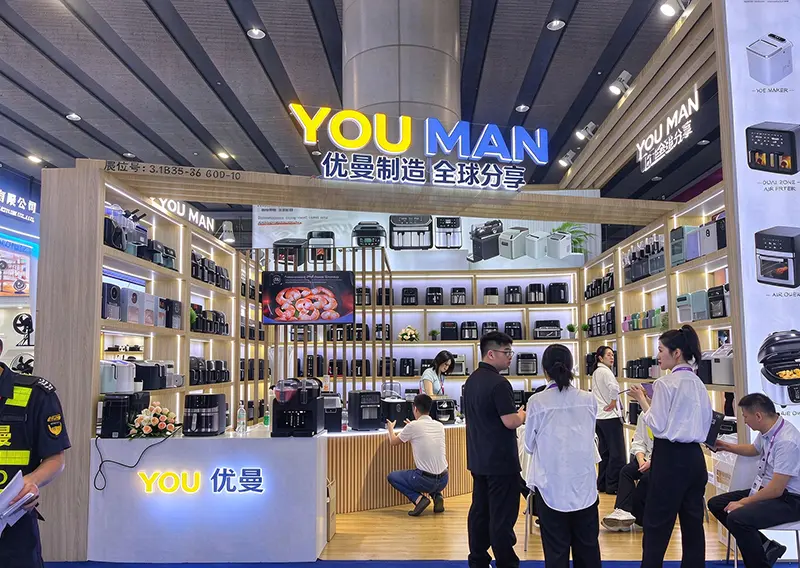
For more information about manufacturing capabilities, product development, and company background, visit YOMAN.
10. What Common Mistakes Should Be Avoided When Selecting Equipment?
A machine may appear suitable based on its exterior design or advertised production speed, but several overlooked details can affect its suitability after installation. Paying attention to the complete operating configuration helps prevent common selection problems.
Choosing Only by Production Speed
A short ice-making cycle is attractive, but it does not provide a complete picture of machine performance. Storage capacity, repeated production cycles, ambient temperature, and actual daily demand should also be considered.
Ignoring Water Supply Compatibility
Different machines use different water supply arrangements. Selecting a model without checking the available connection options can create unnecessary installation difficulties.
Overlooking Ventilation Requirements
Refrigeration equipment releases heat during operation. Placing a machine in a tightly enclosed area or blocking its ventilation openings can interfere with its cooling performance.
Assuming Every Model Has Identical Features
Product families can include different machine sizes, storage arrangements, exterior materials, and control functions. Features available on one model should not automatically be assumed to exist on another.
Neglecting Destination-Market Requirements
International distributors need to consider electrical compatibility, product labeling, certification requirements, packaging, and user documentation. These details should be clarified before finalizing the product configuration.
Underestimating Maintenance Requirements
An automatic cleaning function makes routine care more convenient, but it does not eliminate the need for inspection and appropriate cleaning. Buyers should understand the maintenance procedure before introducing equipment into daily operations.
11. Frequently Asked Questions
The following questions address common concerns about machine operation, product selection, installation, and customization.
How long does it take for a countertop ice maker to produce ice?
Selected countertop models can produce ice within approximately 8–15 minutes under specified operating conditions. Actual cycle duration depends on the machine configuration, water temperature, ambient temperature, and operating environment.
What types of water supply are available?
Depending on the model, available options may include manual water filling, a top-mounted water tank, an external bucket connection, or a built-in water pipe inlet. Confirm the supported arrangement for the selected product before installation.
Do automatic ice makers have a self-cleaning function?
Selected models feature a built-in automatic cleaning program that helps flush designated internal water pathways. Regular inspection and cleaning of accessible components are still necessary.
Can ice thickness be adjusted?
Certain models support adjustable ice thickness, allowing users to select different ice characteristics according to their beverage preferences. The available settings vary by model.
What happens when the ice storage compartment is full?
Models equipped with an ice-full detection function can issue an alert and automatically stop or manage ice production according to their control design. Users should remove stored ice as instructed before continuing operation.
Are compact countertop machines suitable for commercial applications?
They can be suitable for smaller beverage stations, office kitchens, guest rooms, and supplementary ice preparation. For restaurants, bars, and beverage shops with continuous demand, production capacity and storage requirements should be evaluated carefully.
Which refrigerant is used in the available models?
Refrigerant selection depends on the specific product configuration. For example, a specified countertop model uses R290. Always check the technical specifications of the model being considered.
Can the machines be customized for different international markets?
Available OEM and ODM options include logo, color, packaging, instruction manual language, and voltage customization. The applicable options depend on the selected model and order requirements.
Which safety functions should buyers look for?
Ice-full detection, water-shortage alerts, automatic control, and appropriate electrical protection are useful functions to consider. The actual protection features should be verified against the product specifications.
How should an ice maker be maintained?
Regular maintenance includes cleaning the water reservoir and storage compartment, checking accessible water pathways, keeping ventilation openings clear, and using the built-in cleaning program according to the operating instructions.
What information is needed when requesting a product quotation?
Prepare the intended application, preferred model, destination market, electrical requirements, customization preferences, expected order quantity, and packaging requirements. These details help determine the appropriate product configuration.
Conclusion: Match Product Features with Real Operating Requirements
Selecting suitable ice-making equipment requires a balanced evaluation of refrigeration performance, production speed, storage capacity, ice characteristics, water supply, cleaning functions, and installation conditions. Different environments have different priorities, so the most appropriate machine is the one that matches its intended workload and operating requirements.
For household users, compact construction and convenient controls may be the primary considerations. For offices and hospitality facilities, storage arrangements and ease of maintenance also deserve attention. Beverage businesses should pay closer attention to production continuity, ice specifications, and the suitability of the machine for their daily service volume.
Understanding these technical and practical factors makes product comparison more straightforward and helps distributors, retailers, and end users identify equipment that fits their specific applications.
Looking for the Right Ice-Making Solution?
Explore suitable product configurations, discuss OEM and ODM customization requirements, and find an ice-making solution that matches your market and application needs.
Contact Us for Product Details & Customization