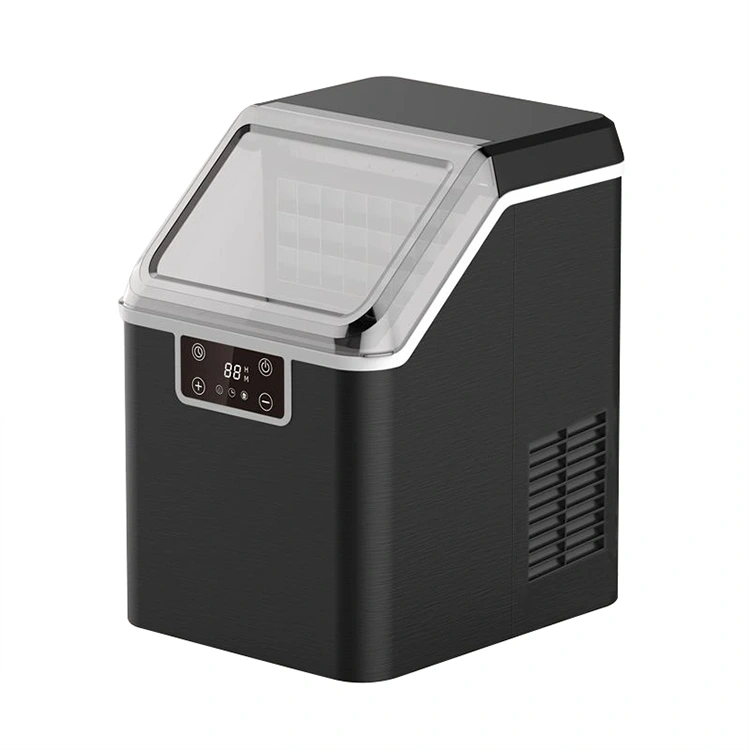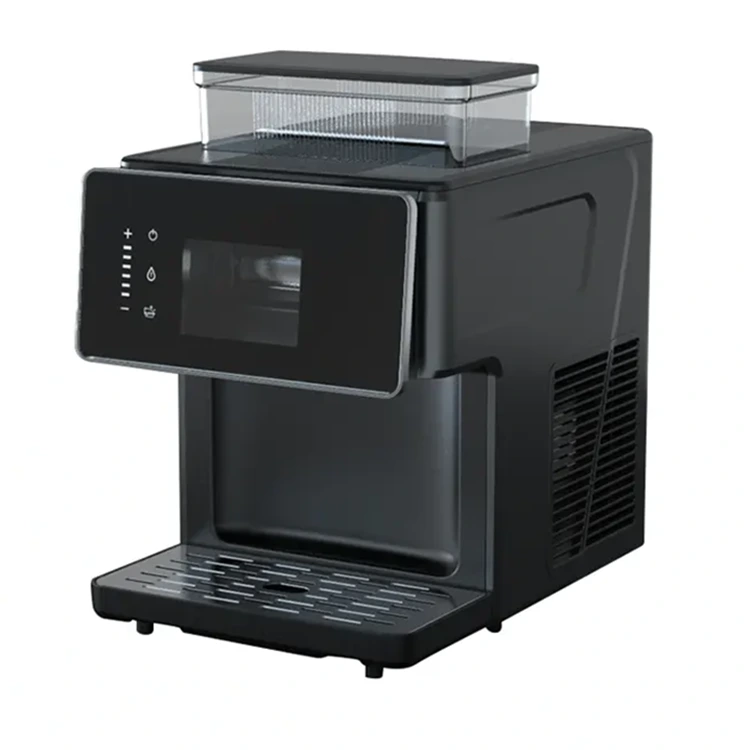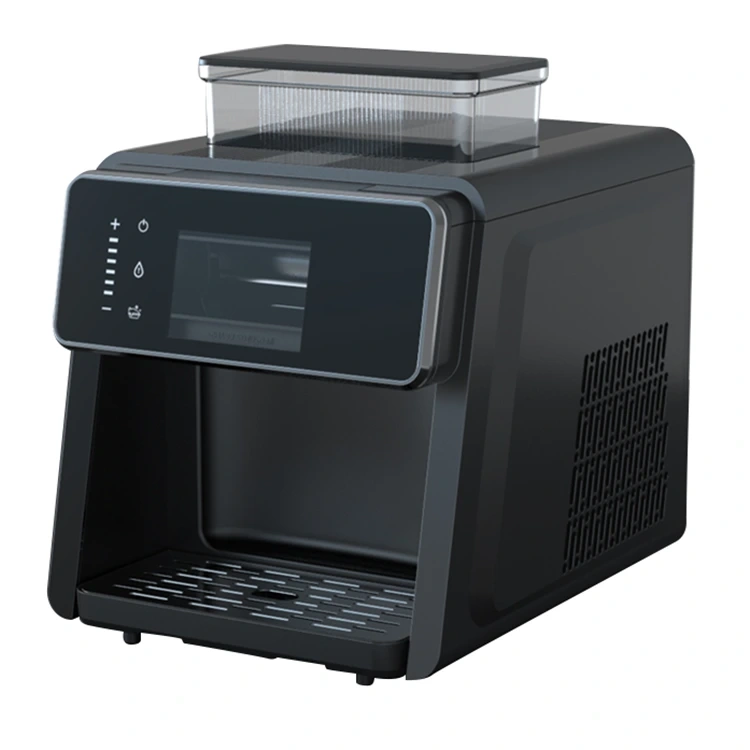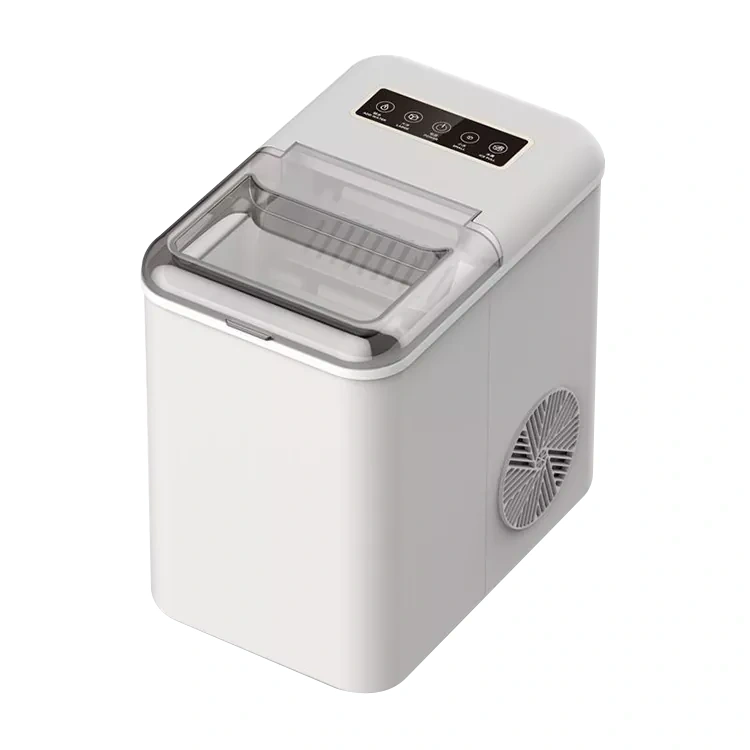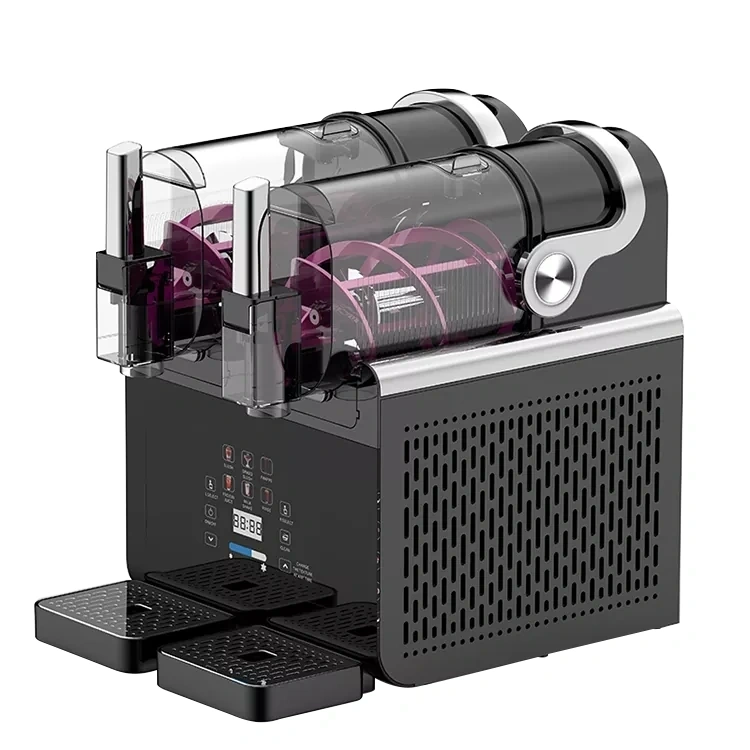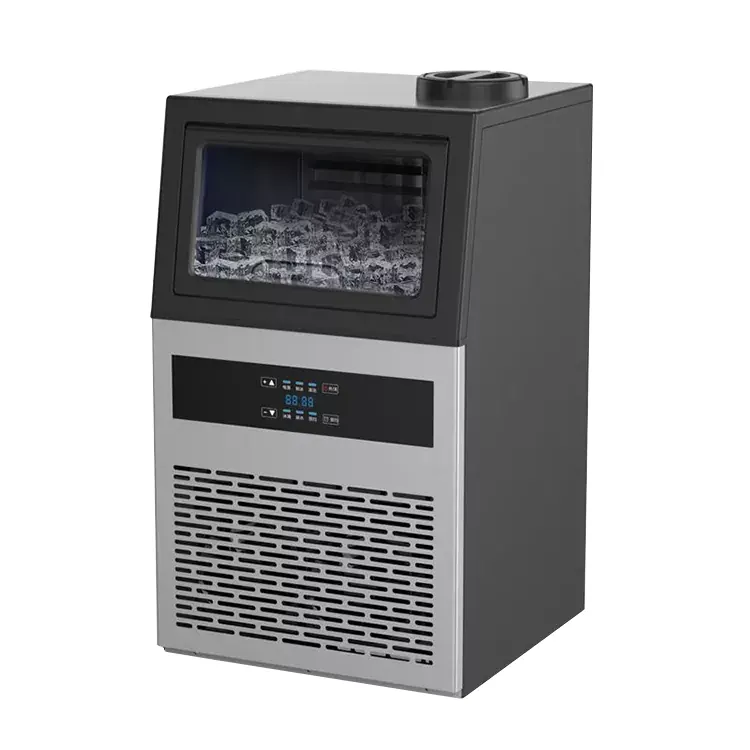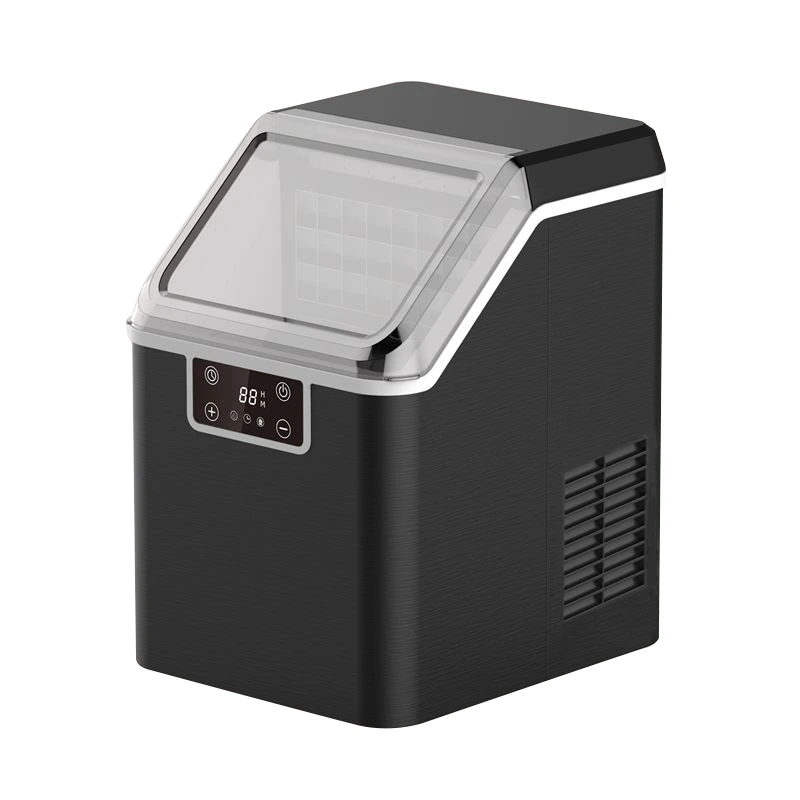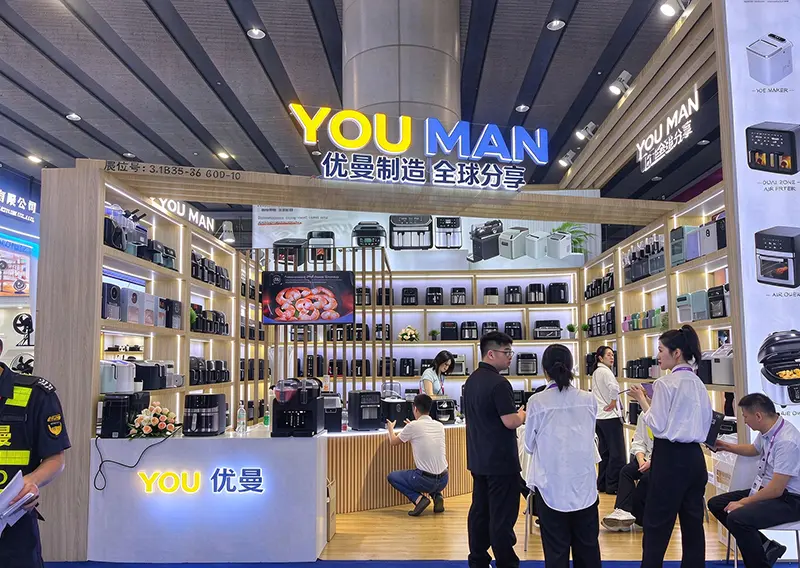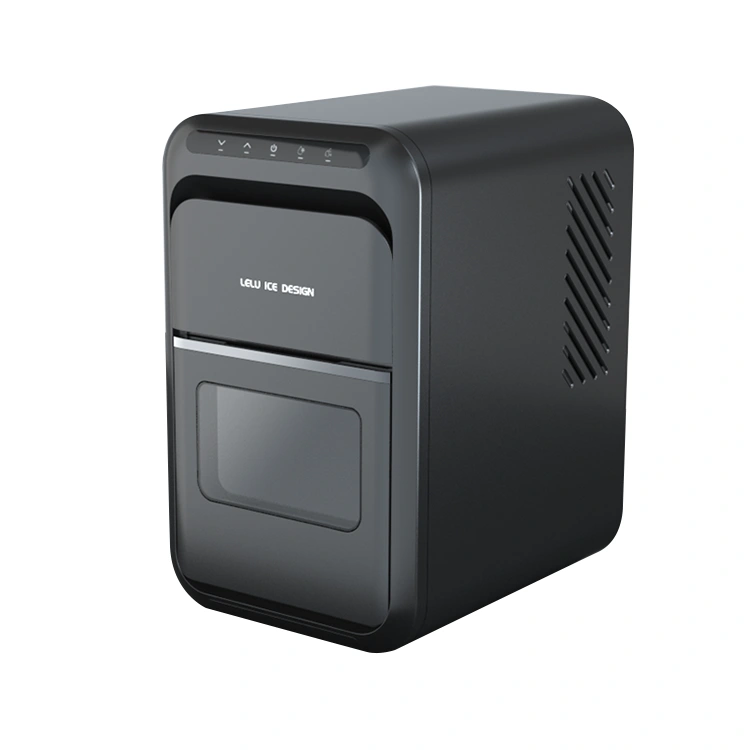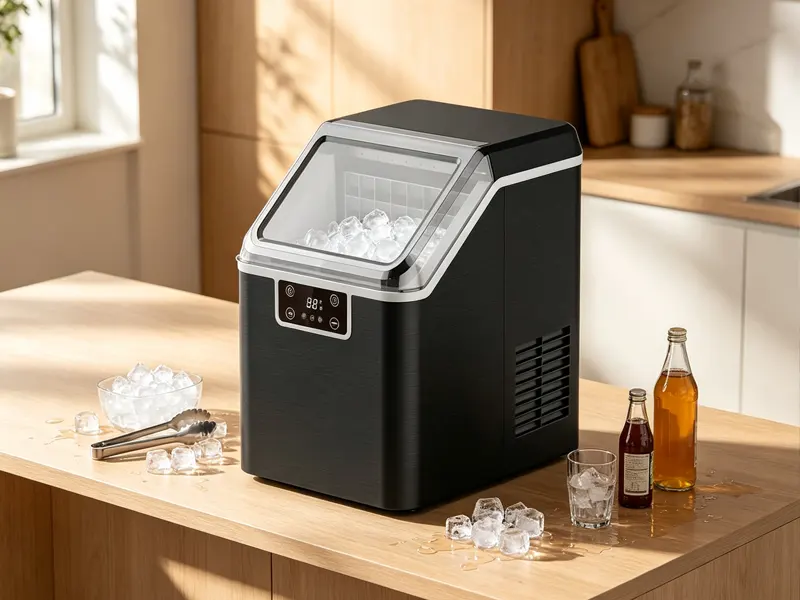
If you are sourcing commercial ice makers this year, one trend is hard to miss: split-type modular systems are showing up in more supplier catalogs and exhibition booths than ever before.
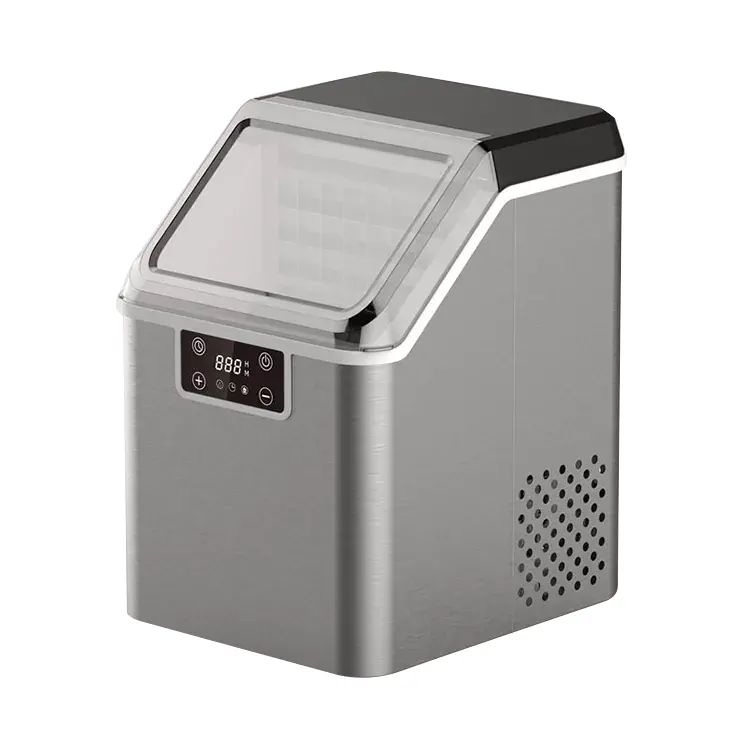
The reason is practical. Most traditional ice machines are built as a single sealed unit. When the compressor or control board fails, the whole cabinet usually comes out of service — which means days of waiting and, for a café or convenience store, lost sales.
Modular systems break that single unit into independent parts: the ice-making head unit, the storage bin, the water filtration assembly, and the electronic control module. Each part can be shipped separately and replaced on its own.
For overseas distributors, the benefit is inventory. Instead of stocking complete machines in every capacity, you can stock the parts that actually fail and hold fewer full units. That lowers warehouse cost and frees up cash.
For after-sales teams, it means faster on-site repair. Swap the failed module, restart the machine, and the store is back in business — often within the same visit instead of a second trip.
Modular design also lets buyers combine capacities freely: match the ice-making head to the bin size and daily output your customer actually needs, rather than accepting whatever fixed combination the factory offers. Chain foodservice brands expanding store by store tend to like this, because each new location can be spec'd to its own foot traffic.
In many cities across Europe, North America, and Southeast Asia, water cost and noise limits are no longer soft guidelines. Water-cooled machines are increasingly ruled out on water consumption alone, while early air-cooled models drew complaints from small cafés, indoor bars, and convenience stores.
Newer units address this with reworked air ducts and spray water circuits. Smart intermittent water supply cuts wastewater discharge, and noise-reduced air channels plus shock-absorbing mounts bring operating sound down to a range that fits indoor retail environments.
Something worth noting: more buyers now write low-noise and water-saving requirements directly into their RFQ checklists, next to energy consumption. If a supplier's datasheet only lists kWh, that's often a sign the machine was designed for an older set of priorities.
Beyond hotels, bubble tea shops, and coffee chains, three smaller tracks are worth a look:
Segment
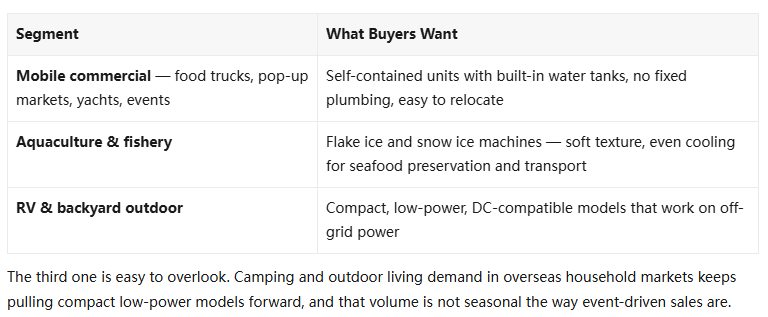
The third one is easy to overlook. Camping and outdoor living demand in overseas household markets keeps pulling compact low-power models forward, and that volume is not seasonal the way event-driven sales are.
Built-in control systems have moved down-market. Current units log real-time ice output, water temperature, operating hours, and fault codes, readable from a local controller or a phone app.
For a single store, that means catching a water shortage or a refrigerant anomaly before it turns into a shutdown at peak hours. For multi-location operators, centralized monitoring is becoming a standard request rather than an upgrade — one dashboard across ten stores beats ten separate service calls.
This is the question buyers keep asking, so here is a straight answer rather than a sales pitch.
There is no single best factory. What matters is whether a supplier can answer these five questions clearly:
Ask for a parts breakdown and confirm which modules are field-replaceable.
CE and ETL are baseline for Europe and North America. Ask for the certificate numbers and check them.
A factory that can't ship a compressor module in a reasonable window is not a long-term partner, no matter the unit price.
Wiring diagrams, fault code lists, and service manuals in English save your engineers real time.
Vague claims are easy; a datasheet with measured figures is not.
Factories that only sell standalone machines will increasingly struggle here. The suppliers gaining ground are the ones who can put together a complete application solution — machine, capacity matching, certification, documentation, and parts support.
Three things look likely to keep gaining share: modular expandable structures, better water-saving and noise-reduction performance, and off-grid compatible models.
At the same time, buyer requirements are tightening — on certifications, on local spare-parts availability, and on technical documentation. Price still matters, but it is being weighed against downtime risk rather than on its own.
For anyone sourcing commercial ice machines this year, the practical advice is simple: ask for the module diagram, the certificate numbers, and the spare-parts lead time before you ask for the price. A supplier who can answer all three quickly is usually the one worth a long-term partnership.